
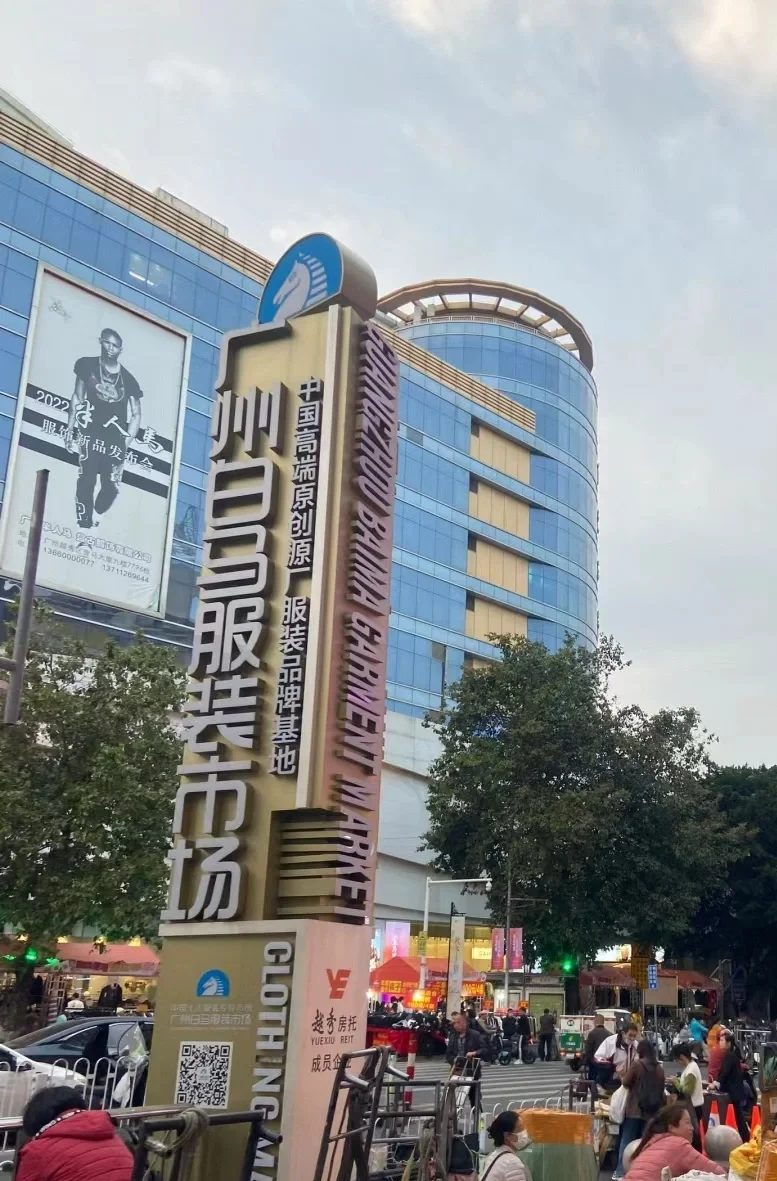
As a highly influential garment wholesale hub in Southern China, the Guangzhou Baima Garment Wholesale Market has become a preferred sourcing destination for global buyers due to its trendy styles, competitive pricing, and comprehensive product categories. For international merchants, achieving an efficient sourcing experience requires not only an understanding of the market layout but also a mastery of specific processes, communication strategies, and compliance requirements. This guide provides a practical, step-by-step walkthrough—from preparation and market research to negotiation, logistics, and after-sales support—to ensure a successful procurement journey.
Table of Contents
I. Thorough Preparation: Laying the Foundation
Preparation is key to a smooth sourcing trip.
- Documentation & Payment: International buyers must carry their original valid passport. For long-term sourcing, applying for a Business Visa (M) is recommended for multiple entries. For payments, most vendors support WeChat Pay and Alipay (which can be linked to international cards like VISA or MasterCard). It is advisable to set up mobile payments in advance and carry some RMB cash for small transactions or vendors who do not support international systems.
- Procurement Planning: Clearly define your target categories (women’s, men’s, children’s, accessories), market positioning (high-end, mid-range, mass market), and budget. Visit the official Baima website or social media beforehand to check floor layouts and trending styles to create a preliminary sourcing list.
- Language Support: While large vendors may have English-speaking staff, many small-to-medium stalls have limited English proficiency. Download translation apps (e.g., WeChat Translate, Youdao) or prepare a bilingual “Cheat Sheet” containing core terms for categories, sizes, and pricing.
II. Market Research: Screening Quality Sources
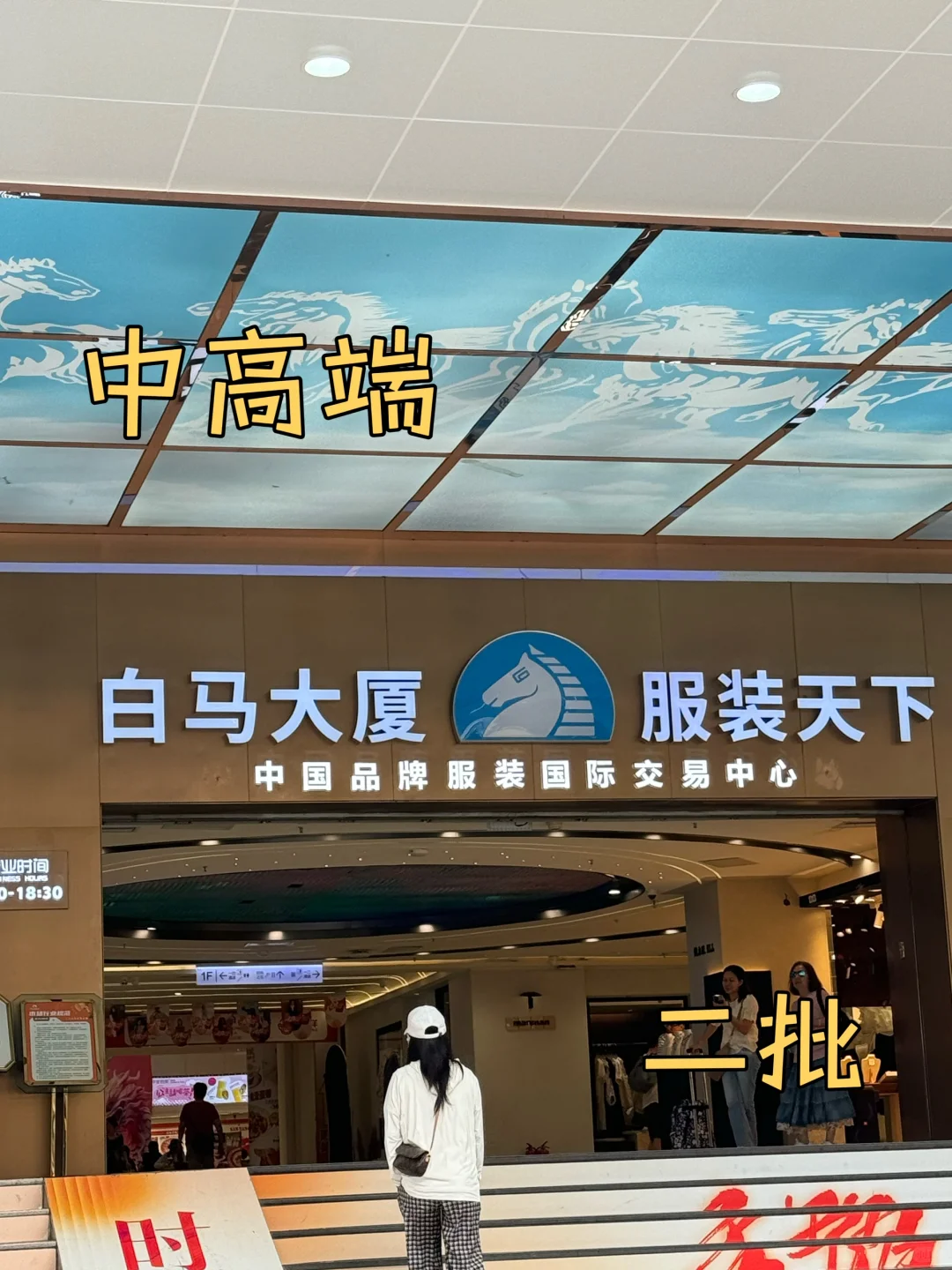
Located at No. 16 Zhannan Road, Yuexiu District, Baima is right next to the Guangzhou Railway Station (accessible via Metro Lines 2 or 5, 5-minute walk from the station). The market spans 10 floors with a clear layout:
- Floors 1-3: Trendy women’s wear (casual, commuting, and feminine styles).
- Floor 4: Premium brand women’s wear (higher quality for mid-to-high-end needs).
- Floor 5: Men’s wear (business and casual).
- Floors 6-8: Children’s wear and accessories (bags, shoes, scarves).
- Floors 9-10: Brand showrooms and offices (ideal for bulk customized orders).
Tip: Focus on vendor qualifications, product quality (check fabric and stitching), and supply capacity (inventory levels and restocking cycles). Keep contact details and catalogs of preferred vendors, and record their MOQ (Minimum Order Quantity) and price ranges for comparison. A Customer Service Center is available on the 1st floor for consultations or assistance with disputes.
III. Negotiation Skills: Executing the Transaction
Baima operates on a “Wholesale Price + MOQ” model. Generally, the MOQ per style is 10–50 pieces; the larger the volume, the lower the unit price.
- Bargaining: Express sincere intent for long-term cooperation to secure better pricing. You may use lower quotes from competitors as leverage, but maintain a polite tone to avoid aggressive haggling.
- Contracting: Sign a detailed Purchase Contract specifying product names, styles, quantities, unit prices, total cost, delivery time, quality standards, and payment terms. It is recommended to have both Chinese and English versions.
- Documentation: Always request a formal invoice or receipt, which is essential for logistics, customs clearance, and after-sales claims.
IV. Logistics and Customs: Ensuring Safe Delivery
Logistics is a critical post-purchase step. Numerous international logistics firms (DHL/FedEx agents and specialized line logistics) are located around the market.
- Shipping Modes: Air Freight is fast (3-7 days) but expensive, suitable for small or urgent orders. Sea Freight is cost-effective for bulk shipments but takes longer (15-30 days).
- Choosing a Provider: Verify the provider’s licenses for international transport and customs brokerage.
- Documentation: Prepare copies of your passport, purchase contract, invoice, and packing list. Be aware of your home country’s specific customs policies regarding garment imports, such as tariffs or quarantine requirements, to avoid delays.
V. After-Sales and Relationship Management
If quality issues (fabric defects, poor workmanship, or incorrect sizing/style) are found, contact the vendor immediately with your contract and receipt. Most reputable vendors offer a 7-15 day after-sales window.
- Long-term Cooperation: Building a steady relationship with preferred vendors can lead to better quality priority and discounted pricing. Stay in touch via social media to receive updates on new arrivals and streamline future re-orders.
Summary: By preparing thoroughly, researching precisely, negotiating effectively, and managing logistics professionally, international buyers can master the sourcing process at Guangzhou Baima. As a major platform for Sino-foreign trade, Baima offers more than just products—it offers a gateway to global commercial success.


Comments0