
As Asia’s premier apparel trading hub, Guangzhou has become a top destination for global buyers, offering diverse styles, highly competitive pricing, and comprehensive foreign trade support services. For U.S. buyers, this market provides both fashion-forward designs tailored for European and American markets and efficient sourcing through mature supply chains. This guide outlines key market features, practical sourcing techniques, and essential considerations to ensure a successful procurement experience.
Table of Contents
I. Selecting Core Wholesale Markets: Precisely Matching Procurement Needs
Guangzhou’s apparel markets are clearly segmented by category. Choose markets aligned with your business focus to avoid unnecessary travel:
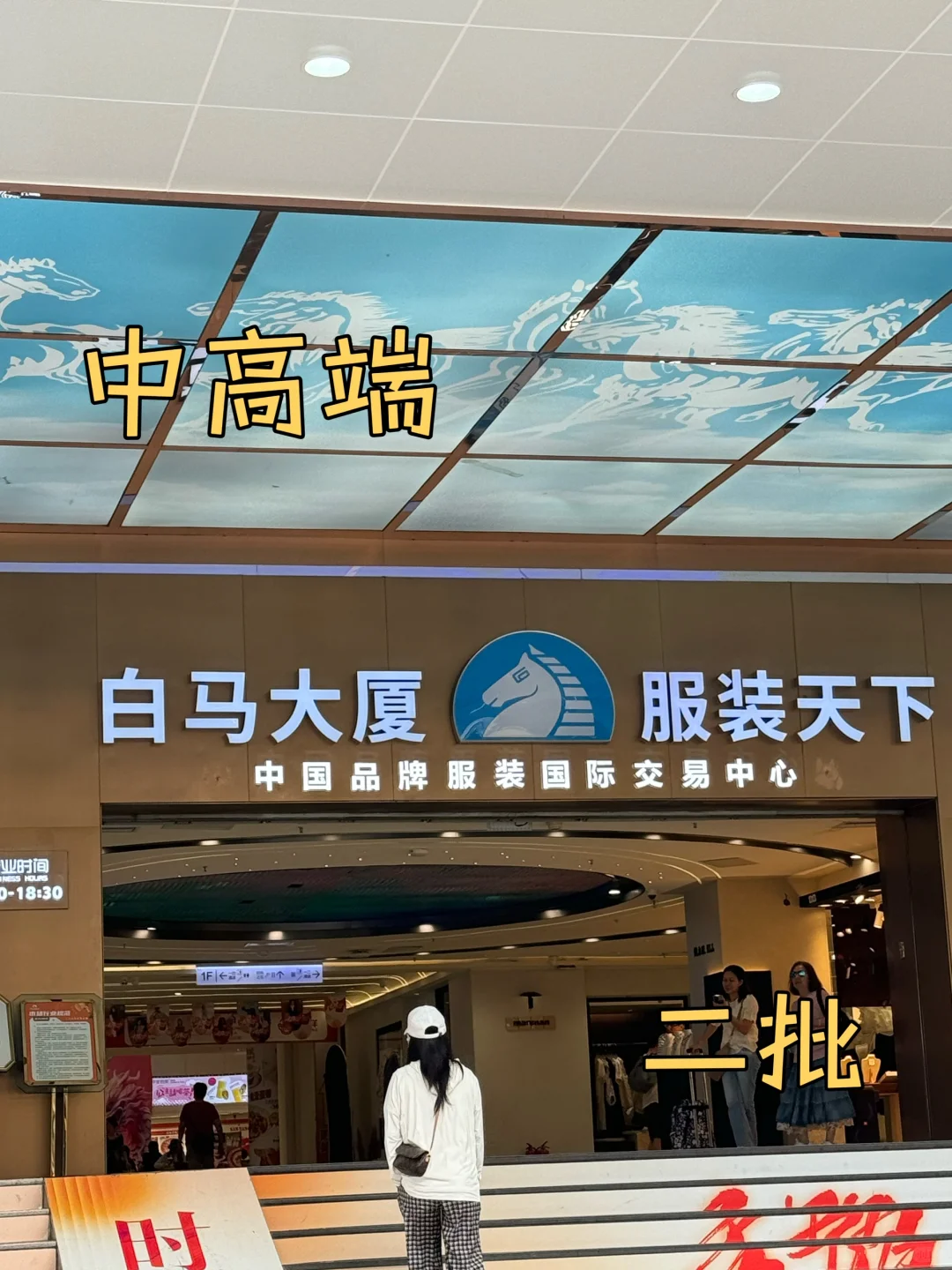
1. Baima Garment Market (16 Zhan Nan Road, Yuexiu District)
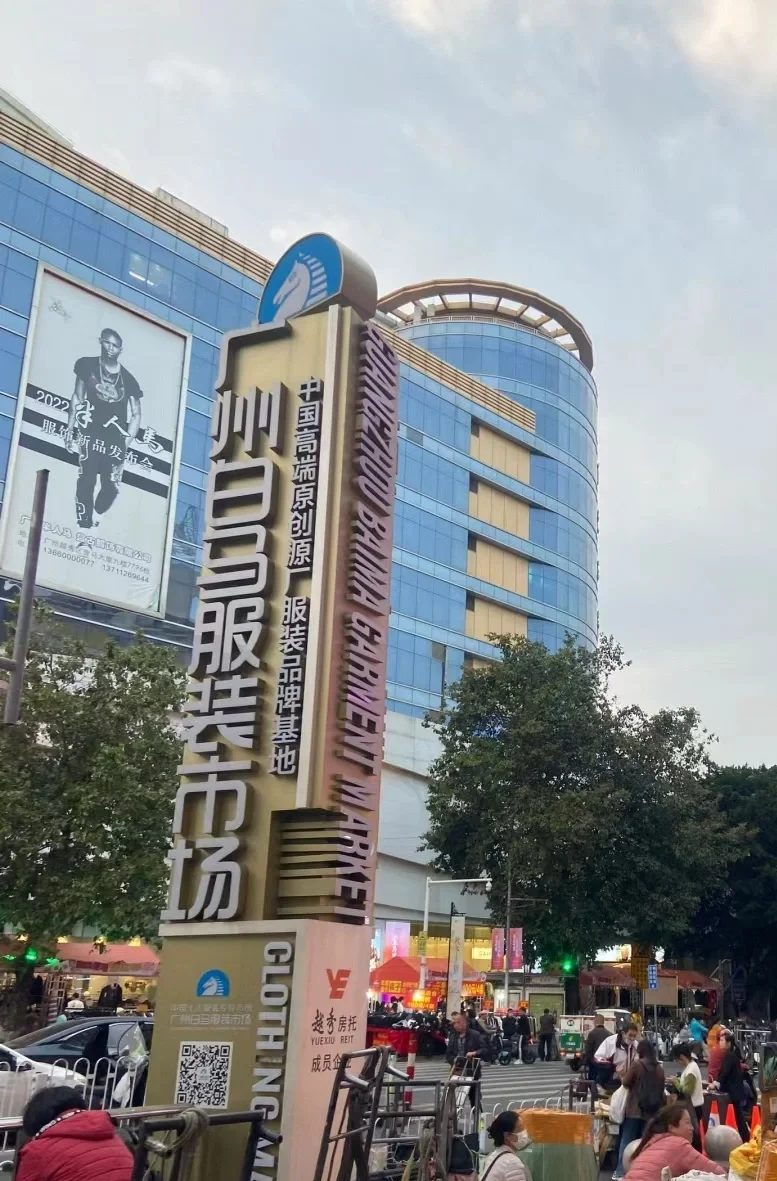
A premier sourcing hub for mid-to-high-end womenswear, specializing in designer styles, brand-name surplus inventory, and seasonal trends. 70% of stalls focus on womenswear, covering dresses, suits, outerwear, and more—ideal for U.S. boutiques and department stores. Hours: 8:30 AM–6:00 PM (Mon–Sat, closed Sun). Arrive before 10 AM for negotiations. MOQ: 5–10 pieces/style. Custom bulk orders (50+ pieces) available.
2. Zhanxi Clothing Wholesale Market (Zhanxi Road, Liwan District):

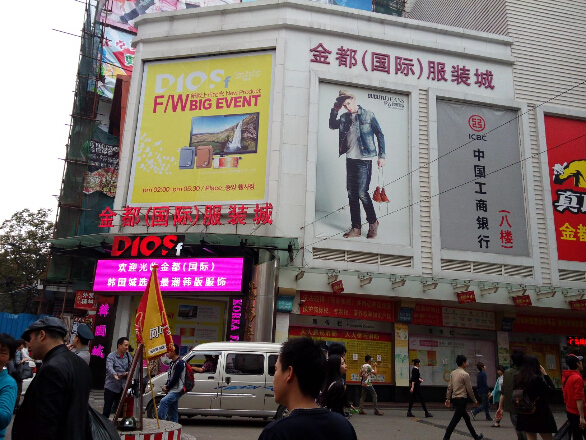
A core foreign trade hub specializing in authentic European, American, and Korean-style garments. Recommended venues include Jinbao Foreign Trade Garment City (high-end European/American authentic styles) and Zhanxi International Garment City (trend-focused styles). Some stalls directly source factory surplus, catering to U.S. streetwear boutiques and online e-commerce platforms. Business hours: 10:00-18:00. English service availability is high, facilitating communication.
3. Shisanhang Clothing Wholesale District (Shisanhang Road, Liwan District)
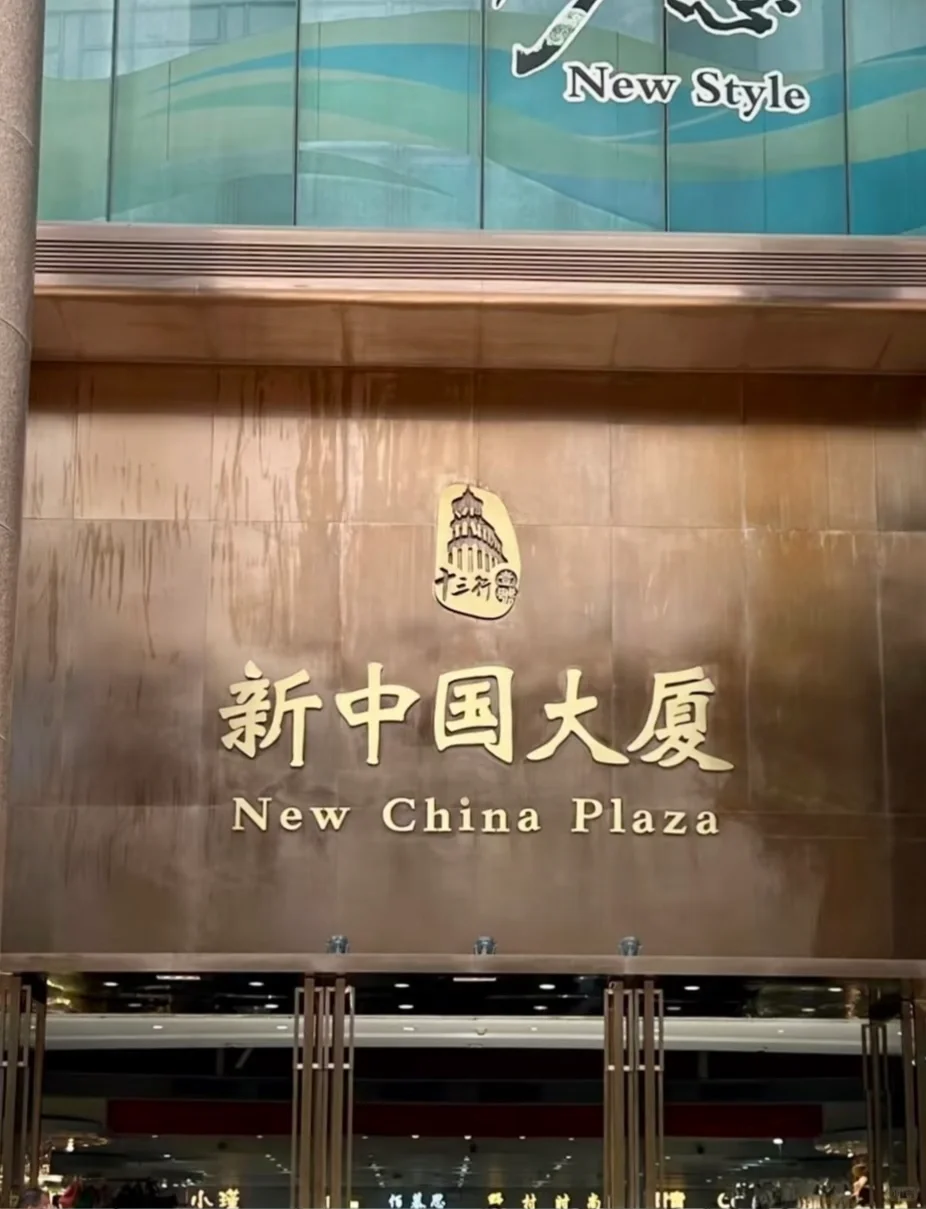
Top choice for affordable fast fashion, priced 30%-50% lower than Bai Ma. Primarily offers casual women’s wear and basic children’s clothing with rapid style updates and high daily new arrivals. Hours: 7:30 AM–4:00 PM (Mon–Fri), closes at noon on Saturdays. Minimum order quantity (MOQ) 10–20 pieces per style. Ideal for U.S. mass-market retailers and street vendor clearance purchases.
4. Shi Jing Surplus Market Cluster (Shicha Road, Baiyun District)
A hub for brand inventory and export surplus goods, including de-tagged items from international brands like ZARA and H&M. Some products available by weight (10-30 RMB/kg), offering exceptional value. Ideal for U.S. discount stores and live-stream clearance channels. Hours: 8:00 AM – 6:00 PM.
II. Key Practical Procurement Techniques
1. Negotiating Pricing and Minimum Order Quantities
For first-time purchases, attempt to negotiate lower MOQs (e.g., 5 pieces per style for trial orders). Bulk purchases (100+ pieces) typically offer 10%-20% discount potential. Note that most stalls charge double wholesale prices for samples; this cost can be offset against the order total upon confirmation.
2. Communication and Sample Preparation
Bringing images of target styles enhances efficiency. Most vendors speak basic English or use translation apps. Keep samples and vendor contacts for future restocking.
3. Quality Control
Thoroughly inspect fabric materials and stitching. Verify sizing aligns with European/American standards (request size charts to avoid fit issues affecting sales).
III. Payment & Logistics: Efficient, Compliant Global Expansion
1. Payment Methods
Markets feature self-service RMB exchange machines supporting real-time multi-currency conversion. Use cross-border RMB payments or market-designated settlement tools to avoid foreign exchange risks. Some markets (e.g., Guangdong Yimin Garment City) offer expedited foreign exchange settlement.
2. Logistics & Customs
Prioritize formal foreign trade logistics providers within the market offering consolidated direct shipping and door-to-door services. Pilot markets like Guangdong Yimin Garment City support “simplified declaration + tax-free without invoices” policies, with orders under $150,000 undergoing smart document review for significantly faster customs clearance. Complete merchant registration in advance (1-2 business days) to ensure transaction compliance.
IV. Key Considerations
1. Time Planning:
Avoid Sundays (when most markets are closed). Monday to Wednesday sees lighter crowds, allowing for more relaxed negotiations. Arriving early (before 9 AM) secures new arrivals first; note that Shisanhang Market closes early in the afternoon.
2. Accommodation & Transportation
Prioritize hotels near markets with English-speaking services (e.g., around Bai Ma). Guangzhou Railway Station and Metro Lines 6/8 provide direct access to core commercial districts. Travel light for easier inventory management.
3. Policy Compliance
Leverage the Market Procurement Trade Pilot Policy to enjoy “tax exemption without refund” benefits and avoid “purchase-based export” compliance risks. Consult the market’s Foreign Trade Service Center for filing guidance.
Guangzhou’s apparel markets excel in “one-stop sourcing + customized export services.” Clearly define your requirements in advance.

Comments0