You’ve heard about Baiyun Leather City. Everyone has. But knowing it exists and knowing how to actually source there? Two different things. Here’s the real deal — what to expect, what to avoid, and how to walk out with exactly what you need.
I’ve spent more days than I can count walking these aisles. Trust me on this one — Baiyun Leather City rewards preparation. Show up blind and you’ll leave overwhelmed. Show up prepared and you’ll wonder why you didn’t come sooner.
Baiyun Leather City: Where It Is and What You’ll Find
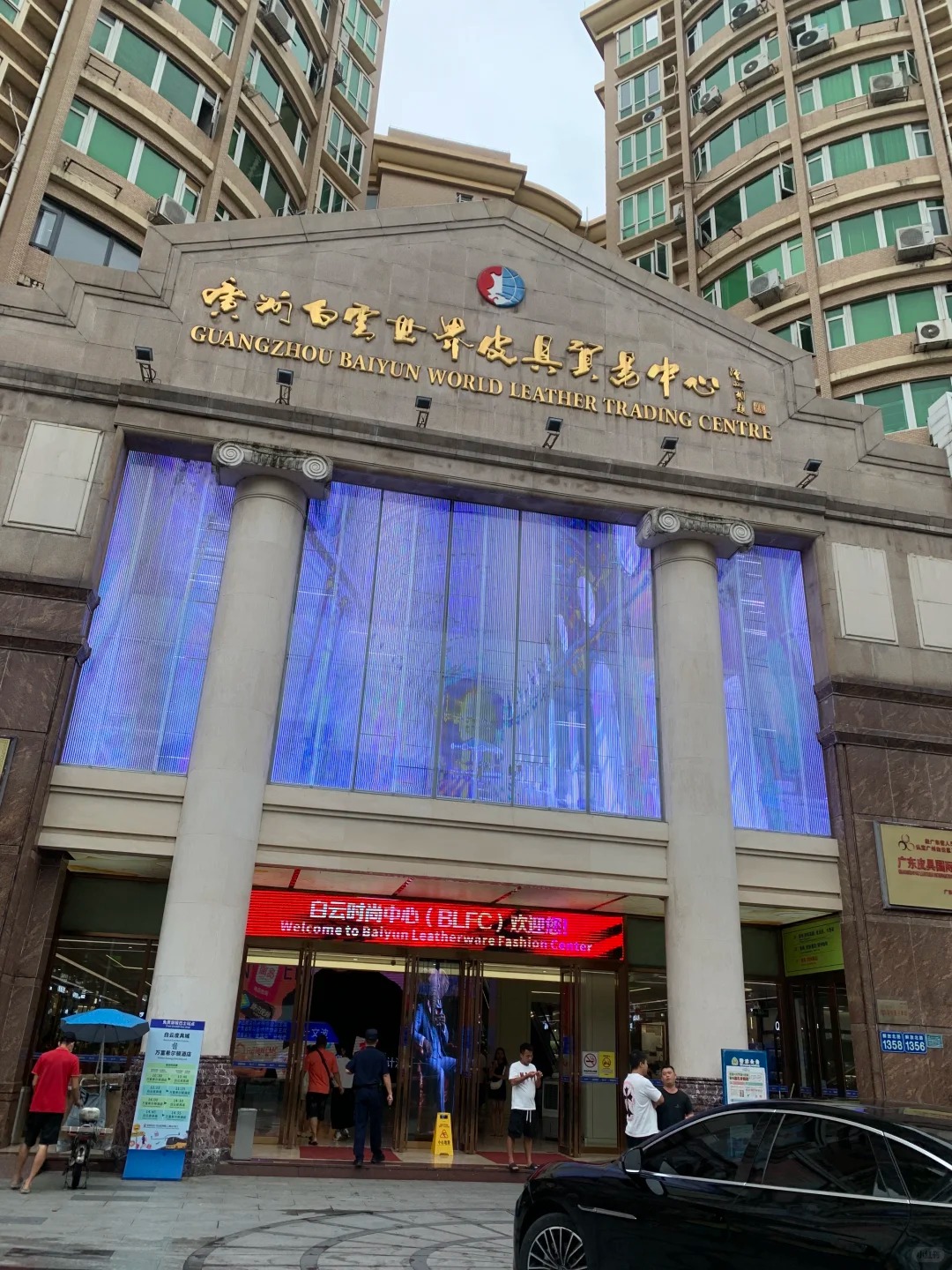
Baiyun Leather City at 88 Jiefang North Road, Baiyun District. One of the largest leather wholesale complexes in China — over 100,000 square meters. Split into zones: Zone A for leather clothing, Zone B for bags and accessories, Zone C for raw materials. Don’t try to see it all in one morning. You won’t.
Heads up — the market is busiest from 6 AM to 11 AM. That’s when fresh stock arrives and vendors are at their sharpest prices. Show up at noon and you’re dealing with leftovers.
The best part about Baiyun Leather City? Everything’s concentrated. You can compare 20 vendors for the same product without walking more than 100 meters. For international buyers, that’s a huge time saver — most people finish a full season’s sourcing in one or two visits.
What You Can Actually Source Here
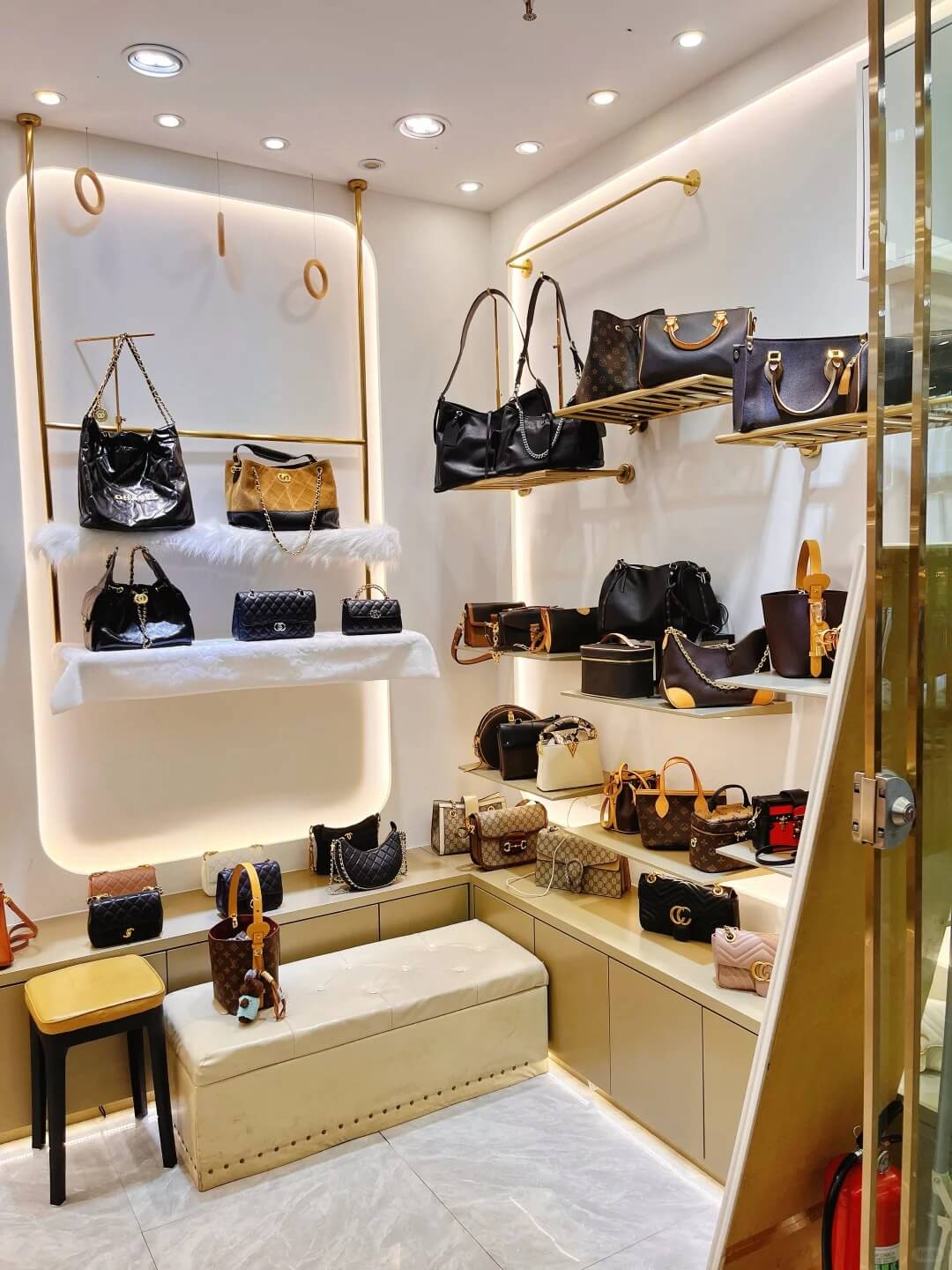
Leather jackets, bags, wallets, belts, shoes, accessories. Zone A for clothing, Zone B for bags, Zone C for raw materials and hardware. Quality varies hugely between zones. The bags in Zone B can be excellent. Zone A hit or miss depending on the vendor.
But here’s something a lot of buyers miss. Seasonal stock rotates fast. Spring and summer collections hit the floor between January and March. Fall and winter? July to September. Time your trip right and you’ll see the freshest stuff first.
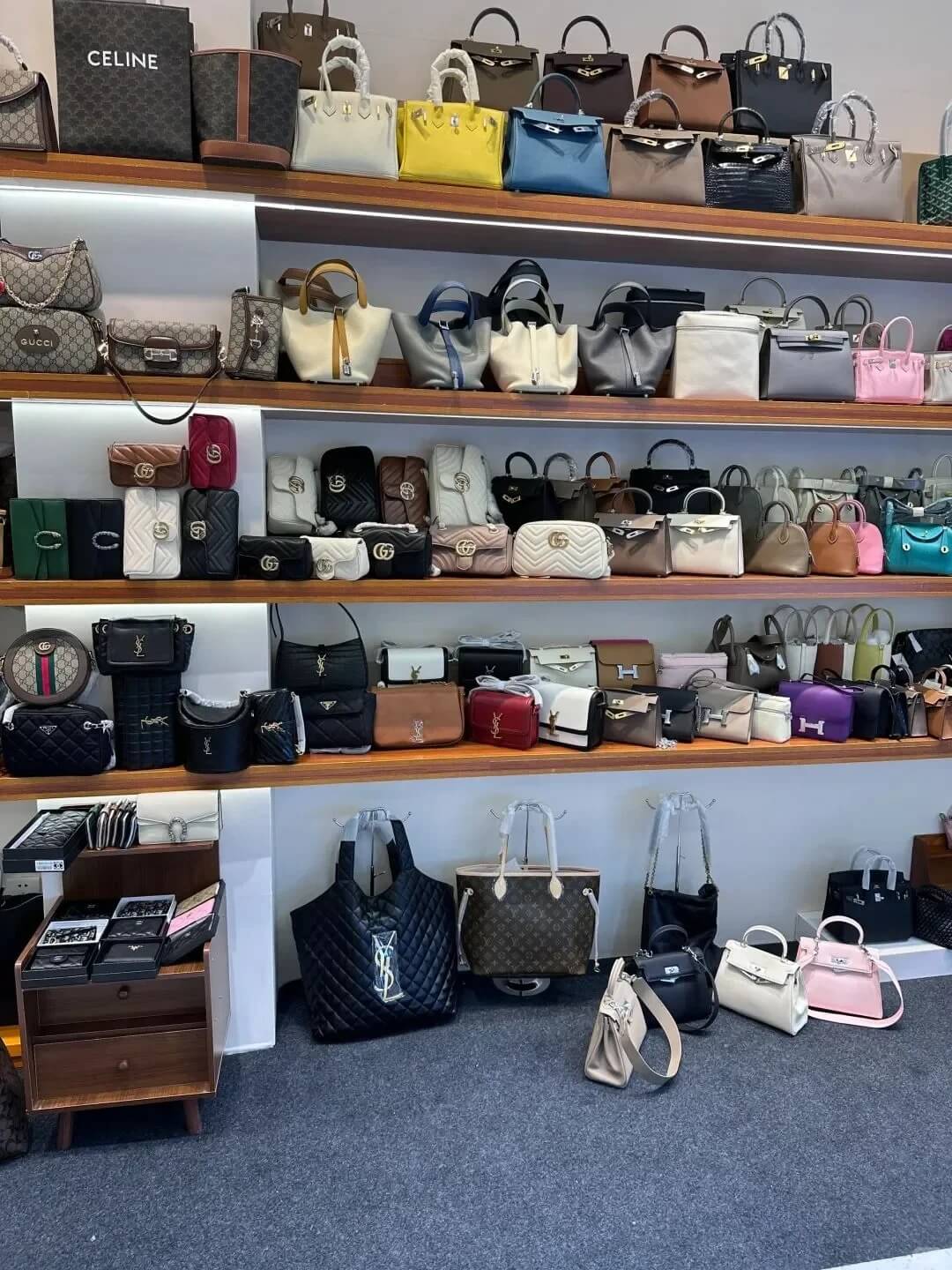
Prices vary wildly between vendors for the same-looking product. Don’t buy from the first stall you see. Visit 5-7 vendors for the same category. You’ll quickly figure out the real price range. It’s not unusual to see a 30% difference between two stalls 10 feet apart.
Navigating the Market — Skip the Ground Floor
First time at Baiyun Leather City? It’ll feel overwhelming. That’s normal. Most buildings have lobby directories showing what’s on each floor. Use them. Start from the top and work your way down. Upper floors get fewer visitors, so vendors there often have better prices and more time to talk.
Skip the ground floor. Seriously. It’s mostly retail prices dressed up as wholesale. The real wholesale action starts on the upper floors. Experienced buyers at Baiyun Leather City always start from the top and work down. Upper floors get fewer walk-in customers, so vendors there are usually more negotiable.
Bring a portable charger. You’ll thank me later. You’re going to take hundreds of photos — products, business cards, price lists. Some vendors also share digital catalogs through WeChat, which makes reordering a lot easier once you’re back home.
Sourcing Tips That Actually Work
Honestly? Most first-time buyers at Baiyun Leather City make the same mistakes. They rush. They don’t compare. They pay retail prices and call it wholesale. Don’t be that person. Here’s what works:
- Get there early. 6 AM to 8 AM is the sweet spot. Vendors are setting up, prices are more flexible, and you get first pick of new stock.
- Bring business cards. Exchange one with every vendor you talk to. It’s not just polite — it tells them you’re serious, not just browsing.
- Always ask for 批发价 (pīfā jià) — the wholesale price. Don’t accept the first number they give you. Say you’re buying in bulk even if you’re not sure yet.
- Take photos of stall numbers and products. Your memory will fail you after the 10th stall. Trust me, your phone won’t.
- Learn two phrases in Mandarin: “duōshao qián” (how much) and “tài guì le” (too expensive). Use them. Vendors respect the effort.
- Bring cash. Small denominations. Not every vendor takes cards and mobile payments can be tricky for first-time foreign visitors.
- Never buy from the first stall. Seriously. Walk around. Compare prices. You’ll often find the same product 20% cheaper two floors up.
- Check quality before you commit. Stitching, zippers, fabric, labels. Don’t assume everything in a “wholesale” market is good quality.
- Ask about MOQ (minimum order quantity). Some vendors accept as few as 3-5 pieces. Others want 12-24. The answer changes how you plan your buy.
Relationships Beat Bargaining Every Time
The short answer is: don’t just buy and leave. Vendors at Baiyun Leather City remember faces. Come back twice and they’ll start giving you better prices without you even asking. Come back three times and they’ll hold new arrivals for you before they hit the floor.
Start small. Pick 3-5 vendors whose quality and communication style you like. Place a few small orders first. Test their reliability. Share photos of your store — when they understand your market, they’ll recommend products that actually fit. Most long-term partnerships at these markets started with a single trial order.
And get WeChat set up before you arrive. Every serious vendor uses it. Scan their QR codes at the stall and organize contacts by product type. You’ll be browsing new arrivals and placing reorders from home while your competitors are still booking their next flight.
Getting to Baiyun Leather City
Getting there is simple. Take the metro — most wholesale markets in Guangzhou have a station within walking distance. Guangzhou metro is clean, cheap, and easy to navigate with Google Maps. Taxis and DiDi work too. But honestly? The metro is faster during peak hours. Use Line 2.
A taxi from most central hotels to Baiyun Leather City runs about 15-40 RMB. DiDi’s cheaper and shows the price upfront. Honestly, for first visits, just take a taxi — you don’t want to be carrying heavy samples through metro transfers.
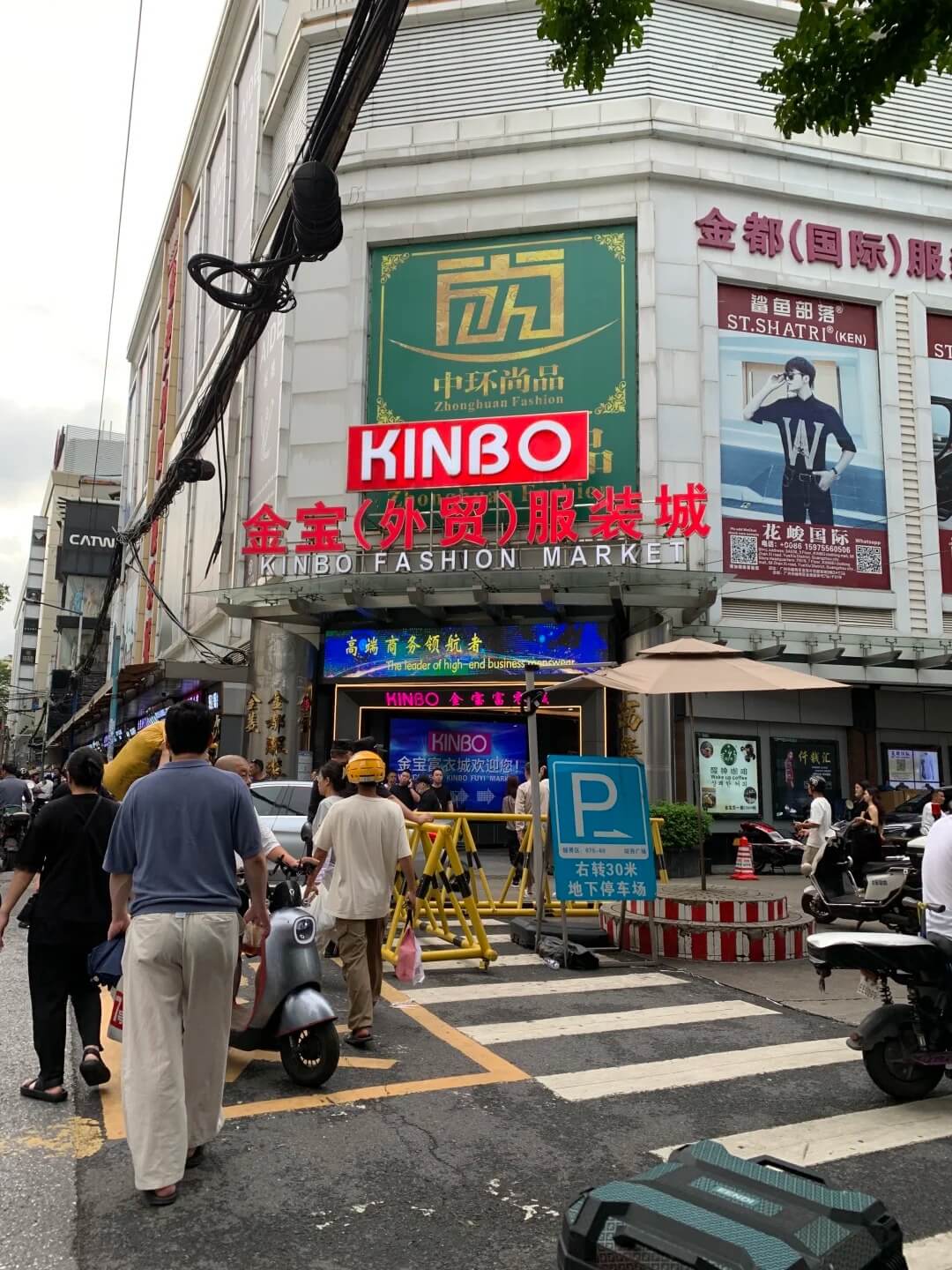
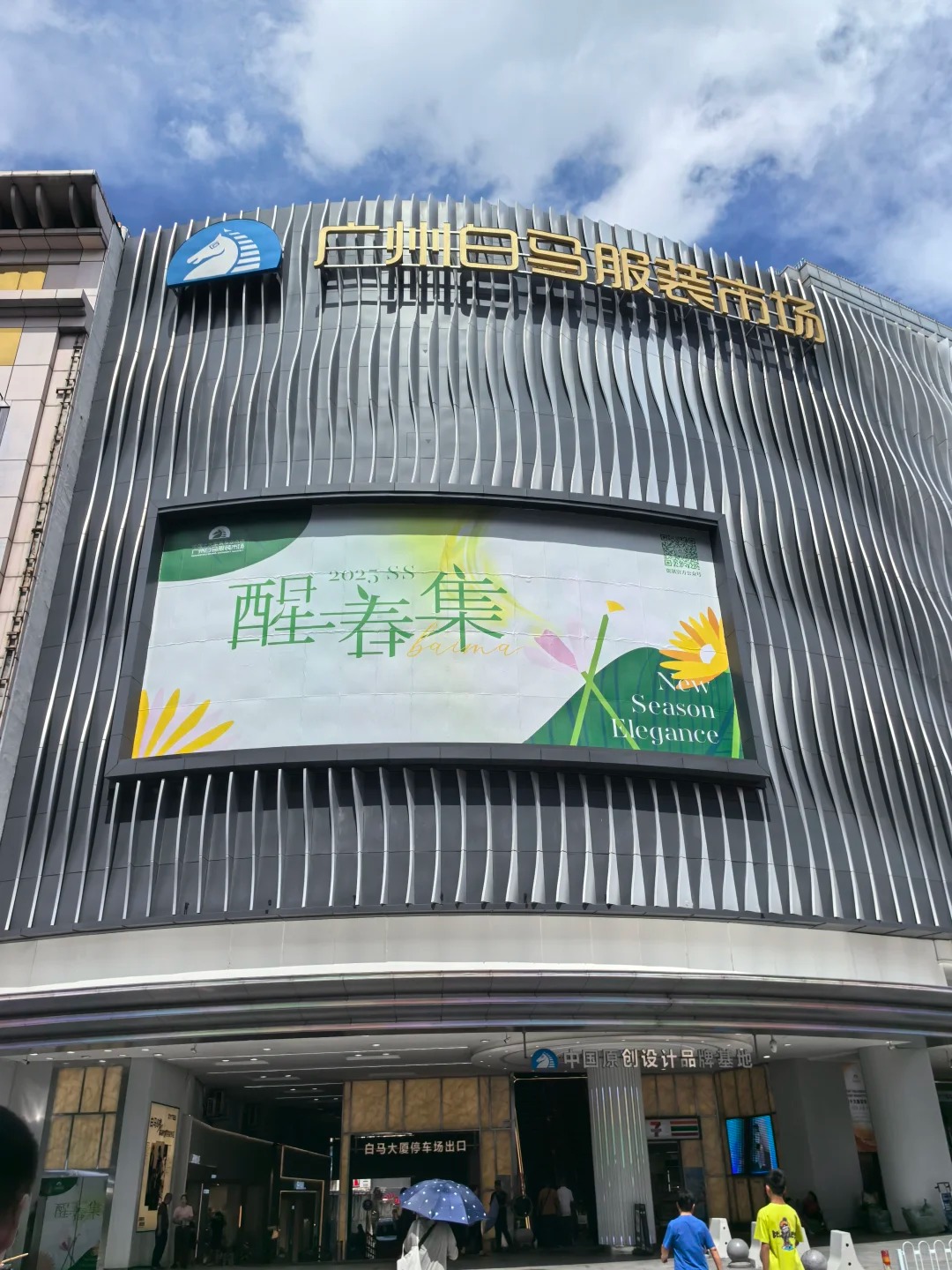
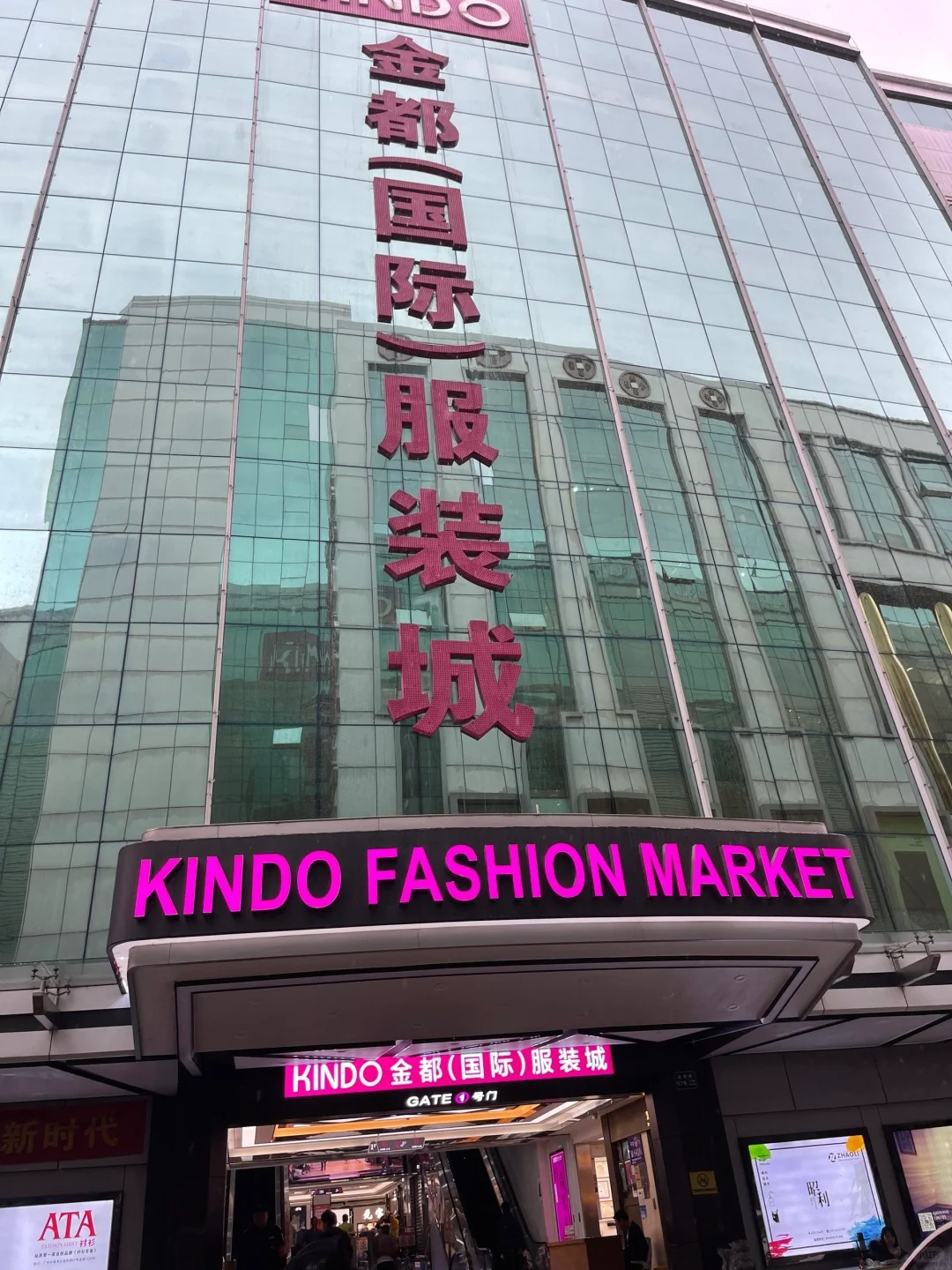
Baiyun Leather City is also close to several other wholesale markets. You can easily hit 2-3 in one day if you plan the route. A lot of experienced buyers stay at hotels within walking distance and spend their whole trip bouncing between markets without taking a single taxi.
Shipping — Don’t Overthink It
You’ve bought your goods. Now what? Most vendors can arrange domestic shipping to your freight forwarder. Many markets even have dedicated shipping counters where you can compare rates between companies side by side.
Three options for international shipping. Air freight — fastest, most expensive. Sea freight — cheapest, slowest, only makes sense for big volumes. Express courier (DHL, FedEx) — the sweet spot for most first-time buyers. Start with courier until you build enough volume for sea containers.
One thing to always clarify: does the quoted price include delivery to your door or just to the nearest port? And ask about insurance. A good freight forwarder is just as important as a good product vendor — don’t neglect this part.
Frequently Asked Questions
When should I show up at Baiyun Leather City?
Early. Like, 6:30 AM early. Most vendors open around 6 AM and the real action happens before 11 AM. By noon, things slow down. After 2 PM? A lot of stalls start packing up. Plan your day around morning hours and you’ll get way better prices and selection.
Can I use my credit card at Baiyun Leather City?
Probably not. Chinese vendors live on WeChat Pay and Alipay. Some larger stalls accept international cards, but don’t count on it. Bring cash — Renminbi (RMB), not dollars. There are ATMs near every major market, but the withdrawal limits can be annoying.
Do I need to speak Chinese?
Not fluently, but a few words help a lot. Many vendors at Baiyun Leather City deal with international buyers daily and speak basic English. Still, a translation app on your phone is a lifesaver. Pleco for Chinese, Google Translate for quick conversions.
What’s the minimum I have to buy?
It depends entirely on the vendor. Some accept 3-5 pieces per style. Others won’t talk to you unless you’re ordering 24 pieces or more. The trick is to ask early in your conversation, and to come back in the morning when they’re more flexible.
How do I get my purchases shipped home?
You’ve got options. Many vendors arrange shipping directly. Or you can use a freight forwarder — there are tons near Guangzhou’s wholesale district. Air freight is fastest but expensive. Sea freight is cheap but takes weeks. For first-timers, DHL or FedEx is the safe middle ground. Just make sure you know whether the price includes door delivery or just to the port.
Ready to start sourcing? View verified vendor contacts and exclusive market insights in our membership area.

Comments0