
For small to medium-sized B2B buyers in Europe and North America, China’s wholesale markets (especially the diverse specialized vendor clusters in Guangzhou) represent a core channel for cost-effective sourcing. However, various scams during the procurement process have led to significant losses for many.
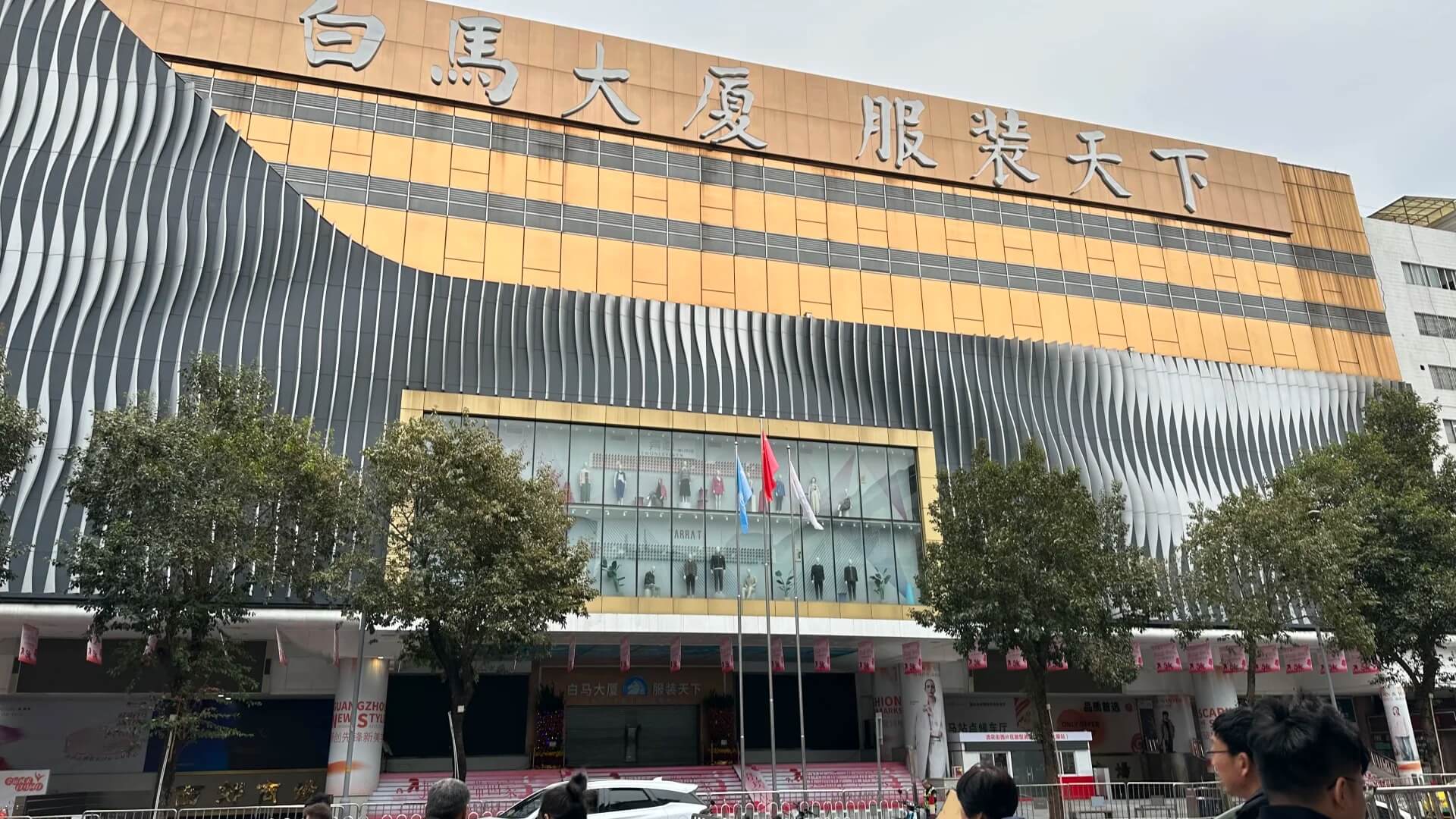
This professional sourcing guide will break down common pitfalls in Chinese wholesale markets, sharing actionable verification, payment, and quality inspection techniques to help European and North American B2B buyers mitigate risks and source efficiently. Furthermore, we recommend a practical platform that lowers sourcing barriers: the GZWM website, allowing you to easily obtain genuine vendor contact information.
I. 3 Common Scams in Chinese Wholesale Markets
Scams in Chinese wholesale markets often target the vulnerabilities of European and North American buyers, specifically “remote procurement” and “information asymmetry.” The following three types are most typical:
1Product Mismatch
This is the scam most frequently encountered by B2B buyers. Scammers typically provide high-quality samples. After receiving an advance payment, the shipped goods dramatically differ from the samples in terms of material, size, workmanship, or style.
For example, when sourcing apparel, the sample might be pure cotton fabric, but the actual shipment contains inferior synthetic fiber. For accessories, the sample could be alloy plated gold, while the actual product is plastic electroplated.
2Deposit Fraud
This type of scam often targets first-time buyers who lack vigilance. Scammers typically use “low price attraction” as bait, claiming “bulk purchases enjoy ultra-low discounts” and demanding a 30%-50% deposit.
Once the buyer pays, scammers use excuses like “supply shortage” or “factory shutdown” to delay shipment, eventually becoming unresponsive. The deposit is directly lost.
3Bogus Vendors
Scammers rent temporary stalls near wholesale markets or fabricate stall photos and videos, falsely claiming to have fixed stalls and stable supply chains. They might even provide fake business licenses.
After receiving buyer payments, they quickly vacate their temporary setups. Subsequent attempts by buyers to pursue claims are futile due to the inability to locate the actual operating entity.
II. 3 Core Techniques to Verify Vendor Authenticity
The key to avoiding scams is to verify a vendor’s authenticity beforehand. For small to medium-sized B2B buyers, there’s no need for on-site visits; use these three techniques to quickly identify bogus vendors.




Comments0