If you’ve been sourcing products from China, you’ve almost certainly used Alibaba. It’s the world’s largest B2B marketplace — convenient, familiar, and seemingly comprehensive. But for serious fashion and accessories buyers, Alibaba is no longer the smartest choice. Here’s why sourcing directly from Guangzhou wholesale markets consistently outperforms Alibaba on every metric that matters.
Alibaba vs Direct Sourcing: The Core Differences
Before diving into specifics, let’s understand the fundamental difference between these two sourcing models:
- Alibaba: A middleman platform connecting buyers to trading companies and factories. You pay platform fees, agent markups, and a premium for the ” Alibaba protection” layer.
- Guangzhou Direct: You deal directly with the actual stall vendors and factory agents who make and sell the products. No middlemen.
Why Alibaba Is Losing Ground to Direct Market Sourcing
1. Price: Alibaba Is No Longer the Cheapest Option
For years, Alibaba’s main selling point was lower prices than other channels. That advantage has largely evaporated — here’s why:
- Trading companies dominate Alibaba — The majority of suppliers on Alibaba are trading companies (middlemen), not factories. You’re paying a 20-40% markup over what you’d pay buying direct from a market stall.
- Factory prices on Alibaba are marked up — Even genuine factories on Alibaba charge platform prices, which include Alibaba’s seller fees (which range from $3,000-$10,000+ per year for top sellers).
- Market competition drives prices down — In Guangzhou’s physical markets, thousands of vendors compete directly with each other. This competition drives prices to their natural floor.
2. Speed: Market Vendors Move Faster Than Alibaba Suppliers
Alibaba suppliers typically need 2-4 weeks to produce and ship sample orders. Guangzhou market vendors — who already have ready stock sitting in their stalls — can often ship sample pieces within 3-7 days.
For fast-fashion buyers chasing trends, this speed advantage is critical.
3. Variety: Alibaba Can’t Match Market Depth
Alibaba’s catalog is limited to what sellers choose to list online. Guangzhou’s markets contain hundreds of thousands of products — many of which never appear on any platform. The physical markets are where new designs debut first, before they ever reach Alibaba.
4. Customization: Markets Offer Far More Flexibility
Want custom hang tags with your brand logo? Custom packaging in your brand colors? A specific blend of materials? Market vendors in Guangzhou handle these requests routinely. On Alibaba, customization usually requires larger minimum orders and longer lead times.
5. Verification: You Can See What You’re Buying
On Alibaba, you rely on photos, reviews, and perhaps a video call to verify product quality. In Guangzhou’s markets, you physically inspect every piece before purchasing. There’s no substitute for holding a product in your hands.
The Hidden Costs of Alibaba
- Platform fees passed to buyers: Alibaba Gold Supplier memberships cost $3,000-$10,000+ per year — sellers recover this from buyers
- Trade Assurance fee: 3-5% on every transaction for buyer protection (you can eliminate this by sourcing direct)
- Currency conversion fees: Additional 1-3% on international transactions
- Communication overhead: Alibaba’s messaging system adds friction to every exchange
- Template responses: Many Alibaba suppliers use automated responses, making genuine communication difficult
When Alibaba Still Makes Sense
Alibaba isn’t useless — there are specific situations where it remains the better option:
- You’re a complete beginner who hasn’t visited China and doesn’t know the markets
- You’re sourcing industrial machinery or products that require factory certifications
- You need LC (Letter of Credit) payment terms for large orders ($50,000+)
- You’re sourcing products not available in Guangzhou markets (heavy machinery, specialized electronics)
- You need legal buyer protection for disputes and the peace of mind that comes with platform mediation
The Smarter Approach: Combine Both
The most effective sourcing strategy for established buyers combines both channels:
- Use Alibaba to research products — Browse categories, get price benchmarks, identify potential suppliers
- Visit Guangzhou to verify — Use the Canton Fair or dedicated sourcing trips to meet suppliers in person
- Get contacts and buy direct — Once you’ve verified quality and built relationships, buy directly through WeChat at market prices
- Use Alibaba for emergency restocks — When you need quick replenishment of established products, Alibaba can fill the gap
How to Make the Switch from Alibaba to Direct Sourcing
Step 1: Research Markets Online
Use directories like GZWM to identify the right markets for your product category before your first visit.
Step 2: Attend the Canton Fair
The Canton Fair (Guangzhou, April and October) is the world’s largest trade fair. Meet verified suppliers and collect WeChat contacts before heading to the markets.
Step 3: Visit the Physical Markets
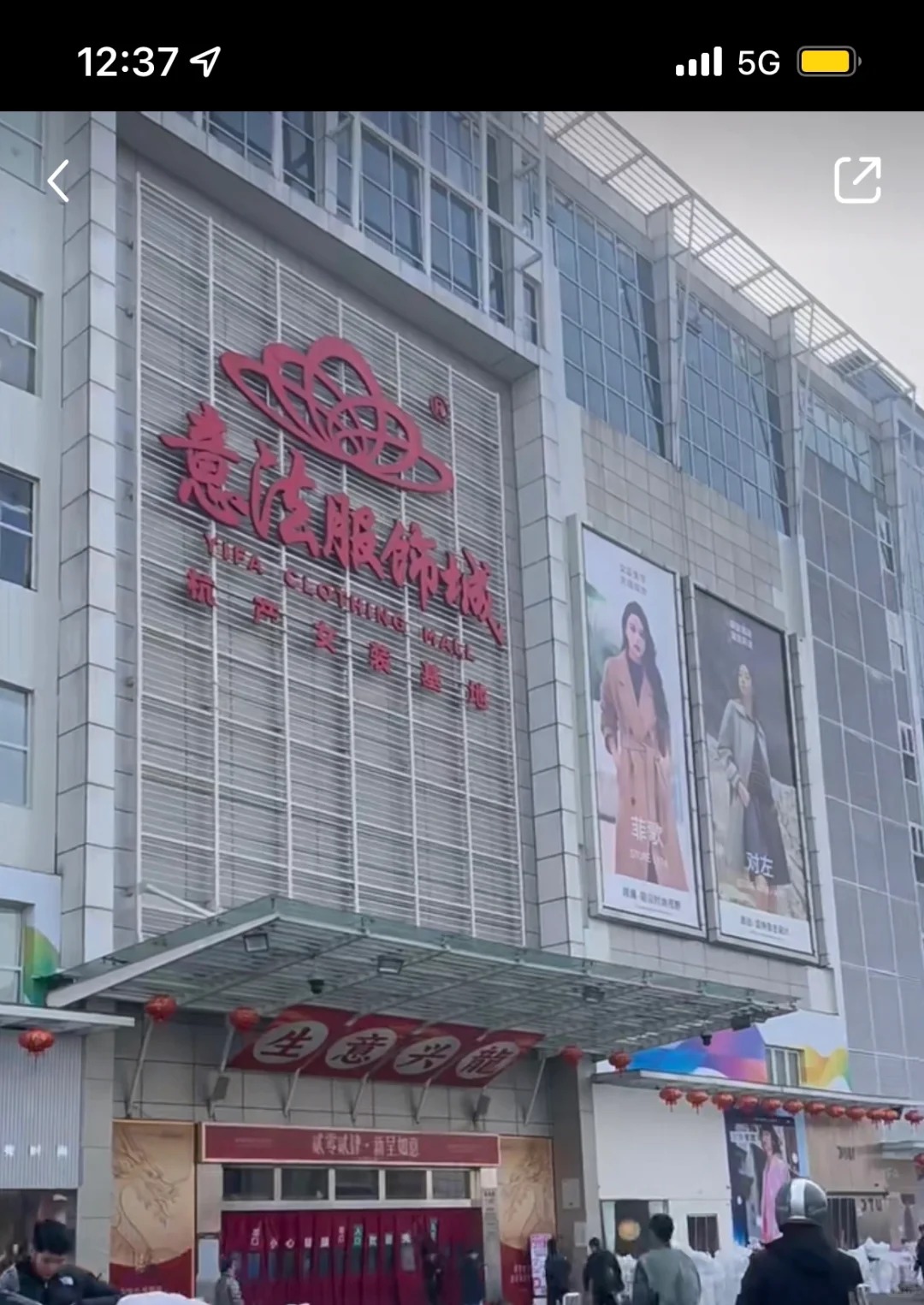
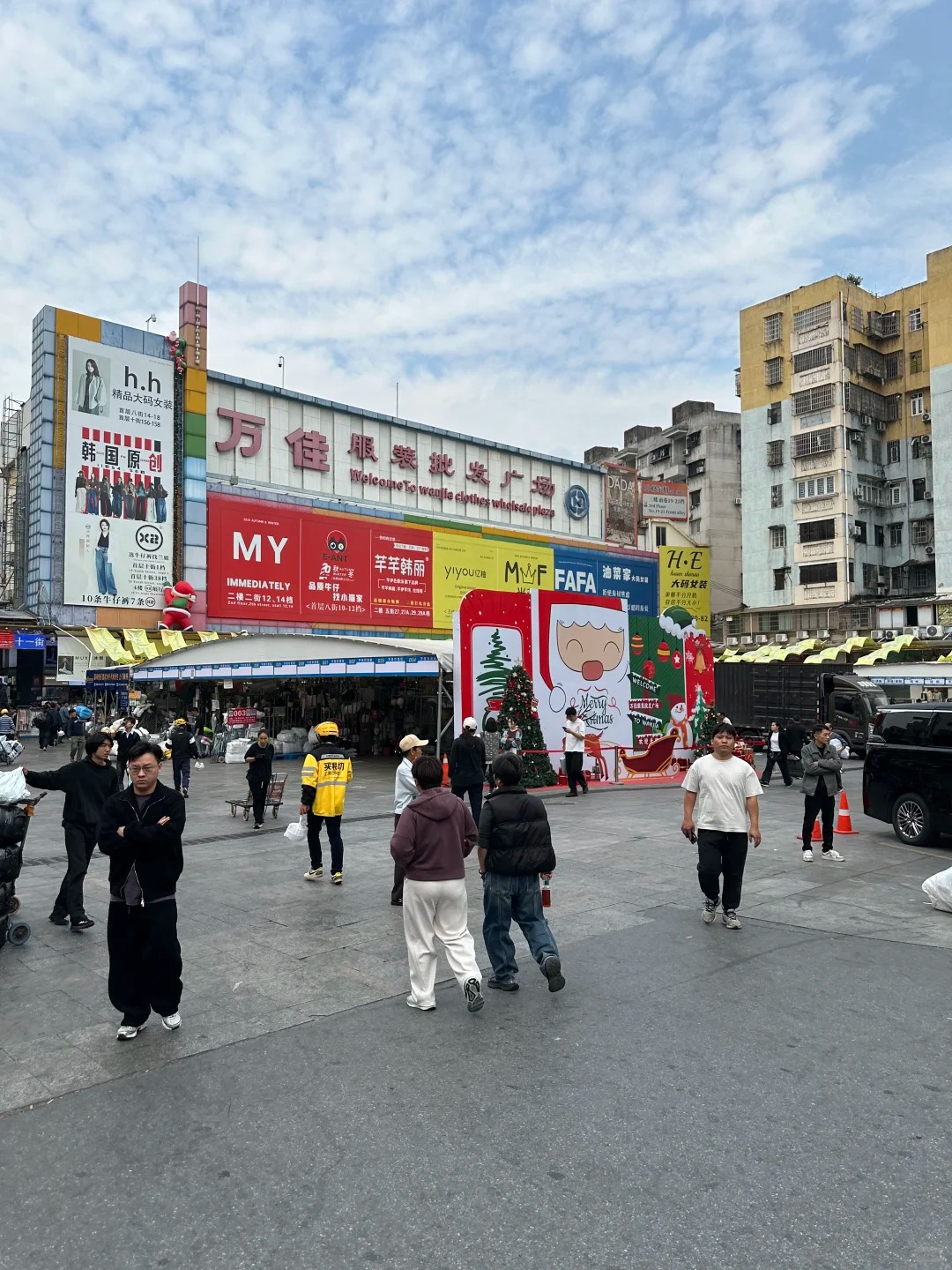
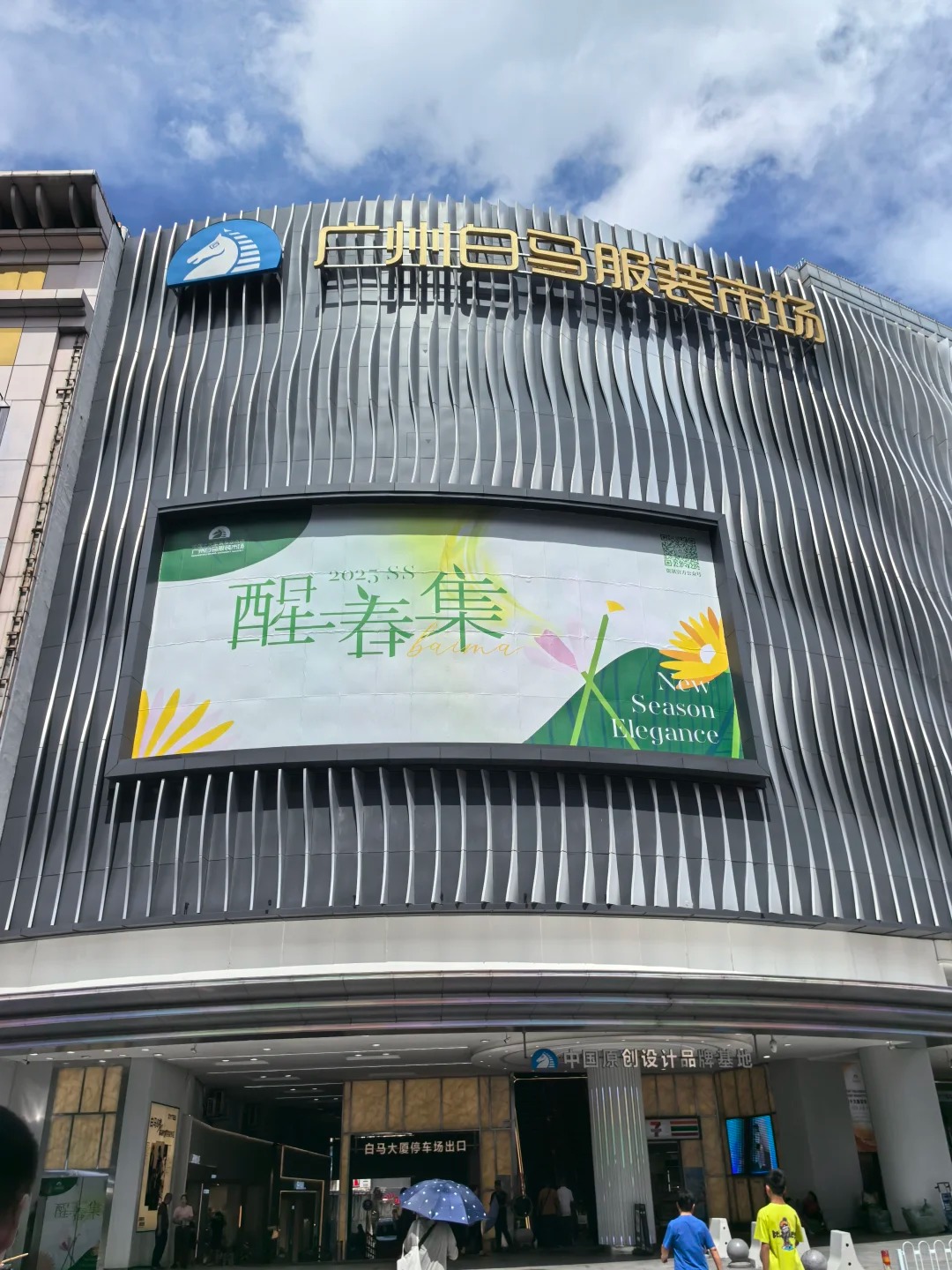
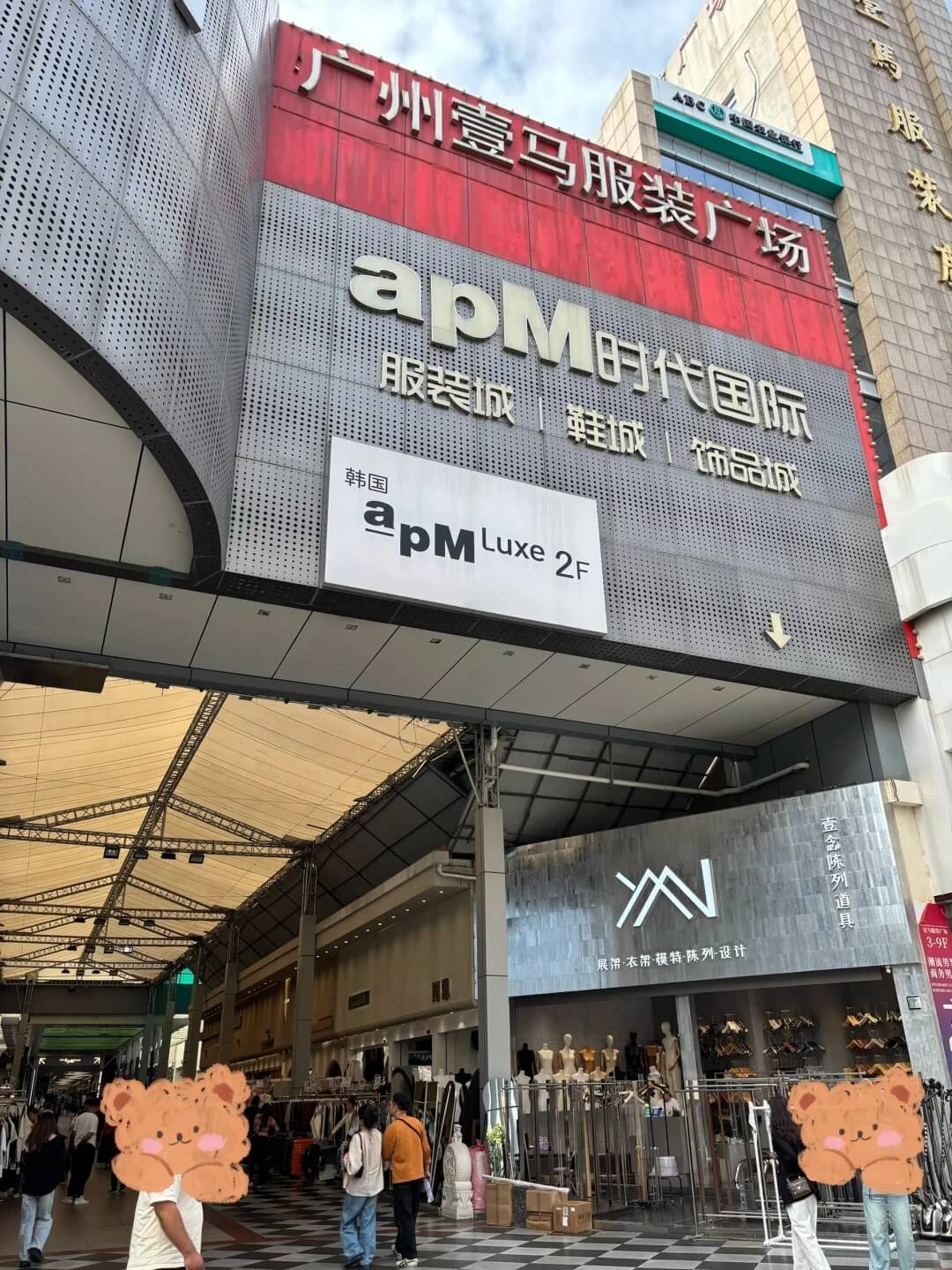
Spend 2-3 days in Guangzhou visiting markets relevant to your product category. Walk the stalls, compare quality and prices, and collect vendor contacts.
Step 4: Order Samples First
Before placing any bulk order, always order 1-3 sample pieces. Verify quality matches your expectations.
Step 5: Build Long-Term Relationships
Order consistently from your verified vendors. Over time, they’ll offer you better prices, priority access to new styles, and more customization flexibility.
Conclusion
For fashion, accessories, and most consumer goods, sourcing directly from Guangzhou wholesale markets consistently outperforms Alibaba on price, speed, variety, and customization. The key is building the knowledge and supplier relationships to source effectively. Start by researching markets online, visiting the Canton Fair, and investing time in building direct vendor relationships. The 20-40% savings on every order will compound dramatically over time.
Related Sourcing Guides
Frequently Asked Questions
Is Alibaba safe for international buyers?
Alibaba’s Trade Assurance program offers buyer protection, making it relatively safe. However, you still pay a premium compared to direct market sourcing. For fashion and accessories, direct sourcing from Guangzhou typically offers better value.
Why are Guangzhou market prices lower than Alibaba?
Alibaba’s supply chain includes trading companies (middlemen), platform fees, and Trade Assurance costs. Guangzhou market vendors sell direct with no intermediary, passing those savings to buyers.
Can I trust Guangzhou market vendors I’ve never met?
With proper verification — sample orders, video calls, escrow payments, and business license checks — direct sourcing from Guangzhou is as safe as Alibaba with proper precautions.
When should I still use Alibaba instead of direct sourcing?
Use Alibaba for: industrial machinery, products requiring factory certifications, Letter of Credit transactions over $50,000, or when you’re a complete beginner without China sourcing knowledge.


Comments0