
Understanding how leather bags are manufactured gives you a significant advantage when sourcing from Guangzhou. You’ll negotiate better, spot quality issues faster, and communicate more effectively with suppliers.
This guide walks through the entire leather bag manufacturing process — from raw materials to finished product — so you can source smarter.
The Leather Bag Supply Chain in Guangzhou
Guangzhou’s leather goods industry is a complete ecosystem. Within a 30-kilometer radius, you’ll find:
- Tanneries: Raw hide processing (mostly in Foshan and surrounding areas)
- Material markets: Leather fabric, PU, canvas, lining materials (Sanyuanli area)
- Hardware suppliers: Zippers, buckles, clasps, rivets (Baiyun hardware markets)
- Factories: Cutting, stitching, assembly (Baiyun, Panyu, Huadu districts)
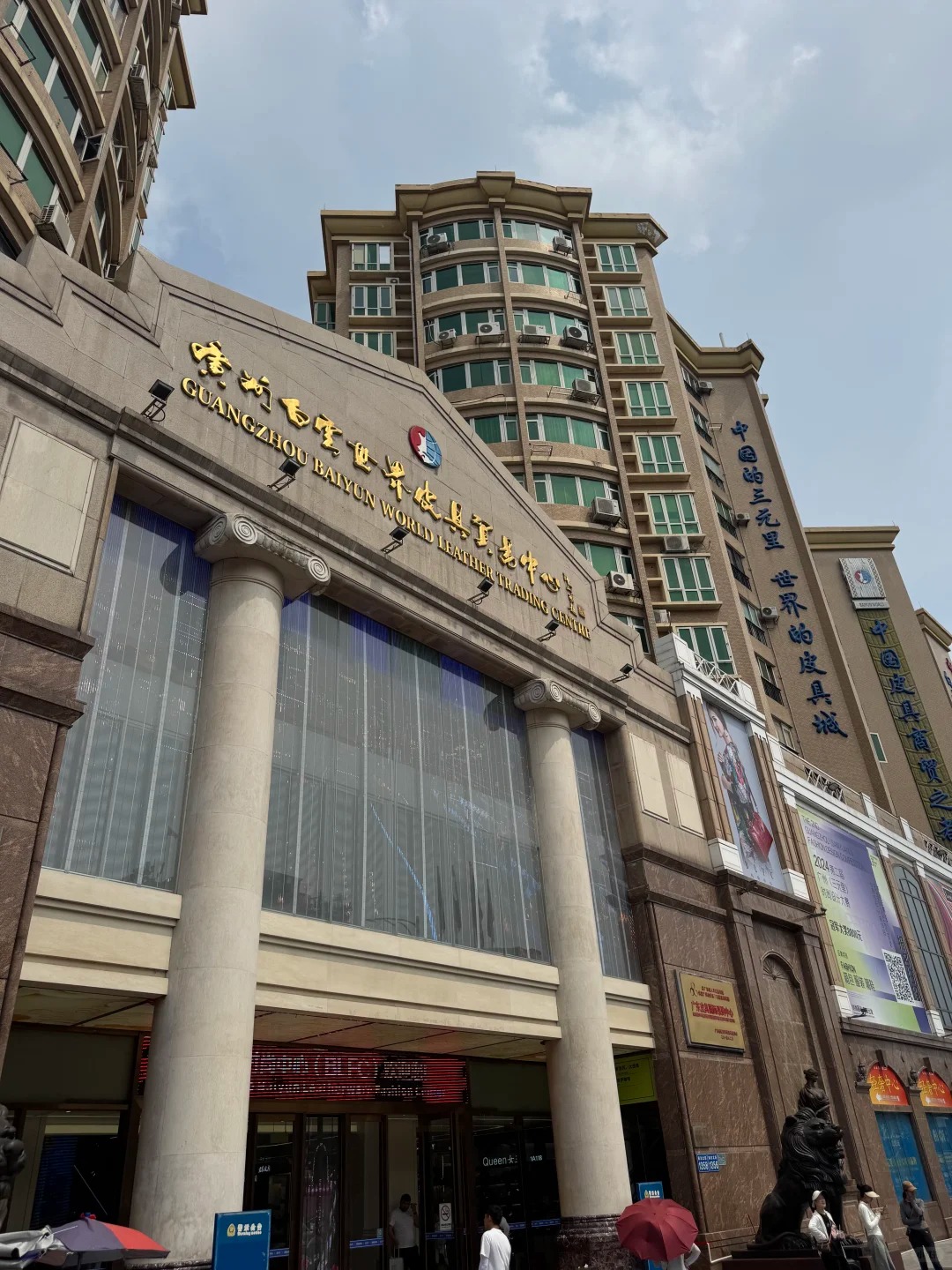
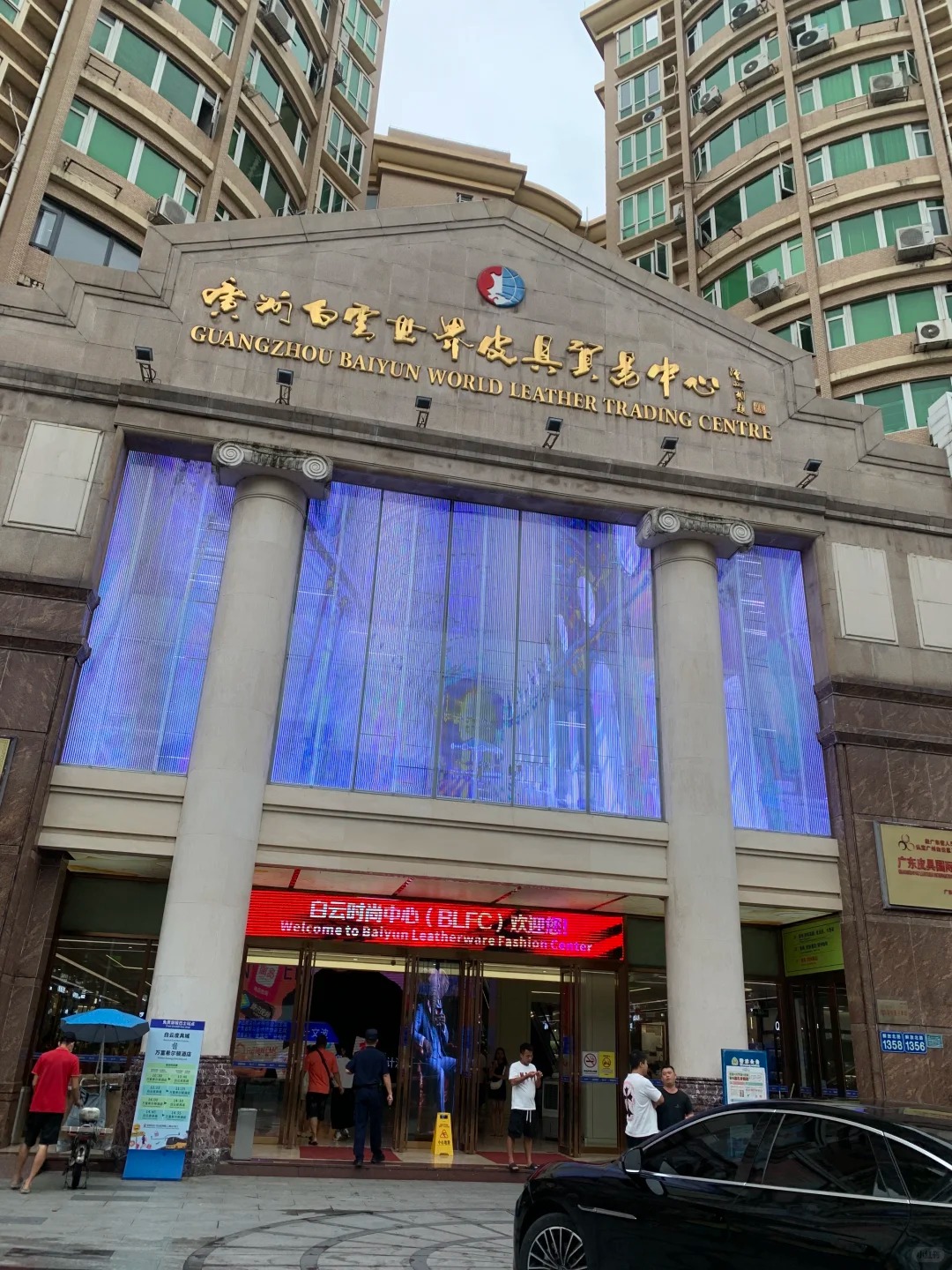
- Wholesale markets: Finished goods distribution (Baiyun Leather City)
This concentration means faster production, lower costs, and easier quality control compared to sourcing from fragmented supply chains.
Step-by-Step: How a Leather Bag is Made
Stage 1: Material Selection
The first decision is material type. Common options in Guangzhou factories:
| Material | Description | Price Range (per sqm) | Durability |
|---|---|---|---|
| Full-grain leather | Top layer of hide, most durable | RMB 150–400 | Excellent |
| Top-grain leather | Sanded/buffed hide, uniform look | RMB 80–200 | Very Good |
| Genuine leather | Lower hide layers, less durable | RMB 40–100 | Good |
| PU leather | Synthetic, vegan-friendly | RMB 15–60 | Moderate |
| Canvas + leather trim | Fabric body with leather accents | RMB 20–80 | Good |
Buyer tip: When visiting factories, always ask to see the material certificate. Reputable factories can show you the leather grade and origin documentation.
Stage 2: Pattern Making & Cutting
Once materials are selected, the factory creates patterns (templates) for each bag component:
- Main body panels
- Side gussets
- Handles and straps
- Pockets and dividers
- Lining pieces
Cutting is done either by hand (for small batches or complex shapes) or by die-cutting machines (for large production runs). Machine cutting is more consistent and faster.
Quality indicator: Clean, straight cuts with no fraying edges indicate good cutting quality. Rough or uneven cuts suggest poor tooling or rushed production.
Stage 3: Edge Treatment
Raw leather edges are treated before assembly. Methods include:
- Edge painting: Colored paint applied to seal edges (most common)
- Edge folding: Leather folded over and glued (premium method)
- Edge burnishing: Heat and friction to seal edges (traditional method)
Quality indicator: Smooth, even edge treatment with no bubbling or peeling. This is one of the easiest quality checks to do in person.
Stage 4: Hardware Attachment
Metal hardware (zippers, D-rings, buckles, magnetic clasps) is attached before final assembly. This includes:
- Zipper installation (hand-stitched or machine-sewn)
- D-ring and O-ring attachment for straps
- Magnetic snap installation
- Rivet and stud placement
Quality indicator: Hardware should be firmly attached with no wobbling. Test zippers by running them 10+ times. Check magnetic clasps for strength.
Stage 5: Stitching & Assembly
This is the most labor-intensive stage. Skilled workers stitch components together using industrial sewing machines. Key stitching types:
- Saddle stitch: Two needles, most durable (often done by hand for premium bags)
- Lock stitch: Machine stitch, fast and consistent
- Chain stitch: Decorative, less durable
Quality indicators to check:
- Stitch count: 8–10 stitches per inch is standard; more = better quality
- Thread tension: Even tension throughout, no puckering
- Reinforcement: Double-stitched at stress points (handles, corners)
- Thread color: Consistent match to leather color
Stage 6: Lining Installation
Interior lining is glued and/or stitched into the bag. Quality lining should:
- Lay flat without bubbling
- Be securely attached at all edges
- Have clean pocket stitching
- Use durable fabric (nylon, polyester, or suede)
Stage 7: Final Assembly & Quality Check
Components are assembled into the finished bag. A quality factory will conduct:
- Visual inspection for defects
- Hardware function test
- Stitching integrity check
- Dimension verification
- Weight check
Stage 8: Packaging
Finished bags are stuffed with tissue paper (to maintain shape), wrapped in dust bags, and packed in boxes. For export orders, boxes are packed into cartons with quantity and weight labels.
Understanding Quality Grades
Guangzhou factories typically produce bags in distinct quality tiers:
| Grade | Description | Typical Price (RMB) | Target Market |
|---|---|---|---|
| A Grade | Premium materials, hand-finished details | 200–800+ | Boutiques, premium retail |
| B Grade | Good materials, machine production | 80–200 | Mid-market retail |
| C Grade | Budget materials, high-volume production | 30–80 | Mass market, e-commerce |
Important: Always specify your quality requirements clearly. “Good quality” means different things to different factories. Provide a reference sample or detailed specifications.
How to Evaluate a Guangzhou Leather Factory
What to Look For During a Factory Visit
- Production floor organization: Clean, organized factories produce better quality
- Worker skill level: Watch stitching workers — experienced workers work smoothly and consistently
- Material storage: Leather should be stored flat or rolled, not folded
- QC station: A dedicated quality control area is a good sign
- Sample room: A well-maintained sample room shows professionalism
Documents to Request
- Business license (营业执照)
- Production capacity statement
- Quality certifications (ISO 9001, BSCI, etc.)
- Client references (ask for 2–3 international buyers)
- Material test reports (for leather grade verification)
OEM vs ODM: Which is Right for You?
OEM (Original Equipment Manufacturing)
You provide the design; the factory produces it. Best for brands with established designs who want manufacturing only.
- MOQ: 200–500 pieces
- Lead time: 30–45 days
- Cost: Lower (no design fee)
ODM (Original Design Manufacturing)
The factory designs and produces; you brand it. Best for buyers who want ready-made designs with their own label.
- MOQ: 100–300 pieces
- Lead time: 20–35 days
- Cost: Slightly higher (includes design)
Frequently Asked Questions
What is the difference between genuine leather and PU leather?
Genuine leather comes from animal hide and is more durable, develops a patina over time, and breathes naturally. PU leather is synthetic, more affordable, vegan-friendly, but less durable and doesn’t age as gracefully. In Guangzhou markets, always ask vendors to confirm the material type.
How can I tell if a bag is real leather without testing equipment?
Three quick tests: (1) Smell — real leather has a distinctive natural smell; PU smells chemical or plastic. (2) Touch — real leather feels warm and slightly textured; PU feels uniform and slightly cold. (3) Bend test — real leather creases naturally; PU may crack or show uniform fold lines.
What MOQ should I expect for custom leather bags in Guangzhou?
For custom designs with your branding, expect MOQs of 100–500 pieces per style. Some smaller factories accept 50-piece MOQs for simple designs. The more customization required (custom hardware, special materials), the higher the MOQ.
How long does production take for a custom leather bag order?
Typical production timeline: sample approval (7–14 days) + bulk production (20–30 days) + QC and packaging (3–5 days) = 30–50 days total. Rush orders are possible but cost 20–30% more.
Can I visit Guangzhou leather factories without a sourcing agent?
Yes, but it’s more challenging. Most factories are in industrial areas outside the city center. A local sourcing agent can arrange factory visits, translate, and help verify credentials. For first-time buyers, an agent is strongly recommended.
Related Sourcing Guides
- Baiyun Leather Market Complete Guide — Where to buy finished leather goods
- Complete Guangzhou Sourcing Guide 2026
- How to Contact Suppliers Directly
- Factory Direct vs Wholesale Market



Comments0