For small and medium-sized buyers from Europe and America, sourcing high-quality and cost-effective leather goods is a core competitive advantage for market expansion. Guangzhou, as a pivotal hub in the global leather goods supply chain, is undoubtedly the premier choice for procurement. This guide, “Guangzhou Leather Goods & Bag Sourcing Guide: Finding High-Value White-Label/Designer Suppliers,” focuses on the key aspects of sourcing in Guangzhou. It provides comprehensive and practical reference points—from core market layouts and material quality identification to custom service rules and logistics considerations—to help you efficiently secure quality suppliers.
Table of Contents
I. Core Markets: Guihuagang Area, Baiyun Leather City, and Zhonggang Leather City
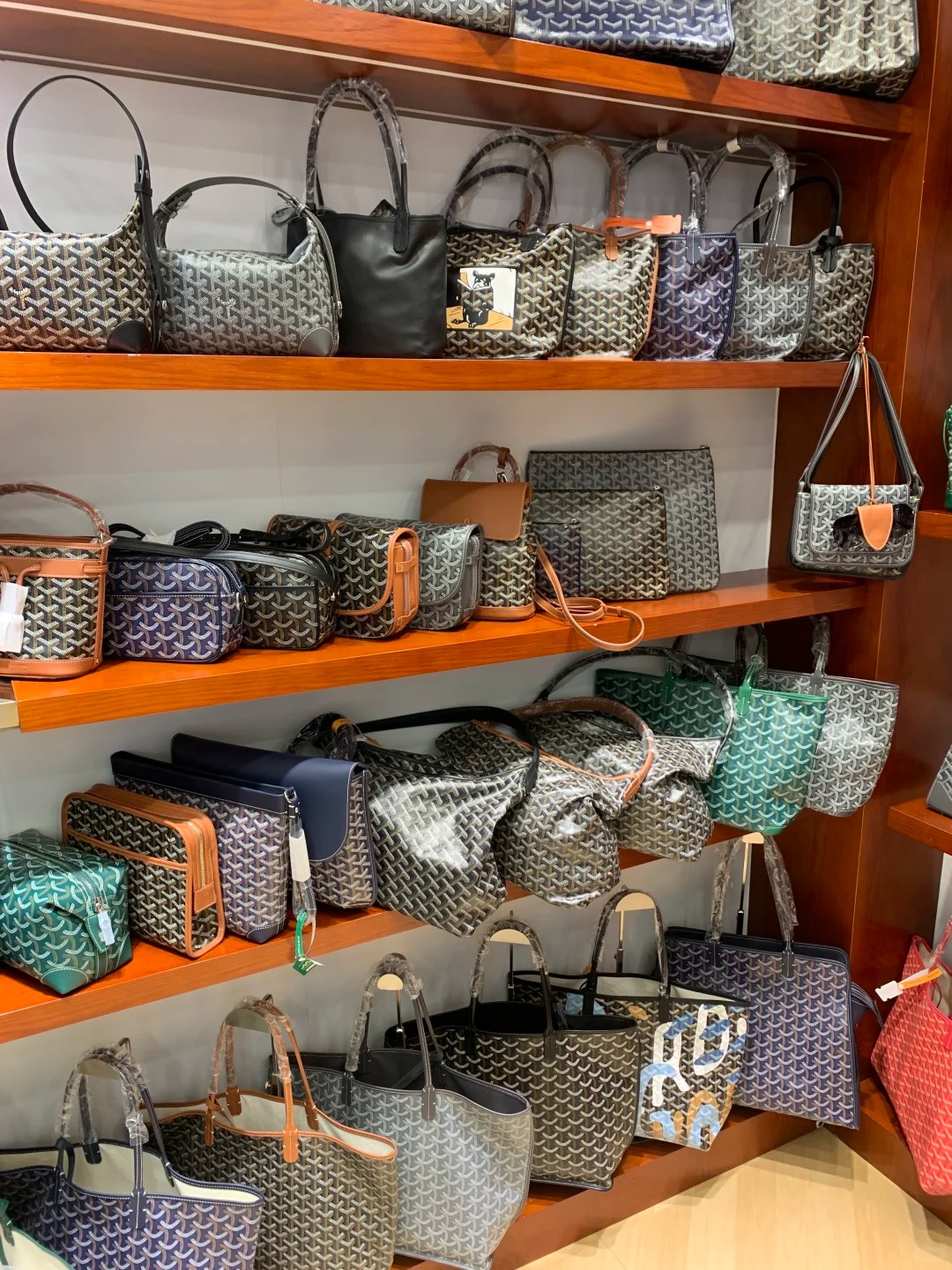
The core cluster of Guangzhou’s leather goods wholesale markets is concentrated in the Guihuagang area. This zone gathers over 5,000 leather goods brands and more than 20 types of bag products, covering all price points from high to low end. It is the largest and highest-grade leather goods procurement hub in China. For European and American SME buyers, focusing on Baiyun Leather City (Baiyun World Leather Trading Center) and Zhonggang Leather City is sufficient to connect with quality suppliers.
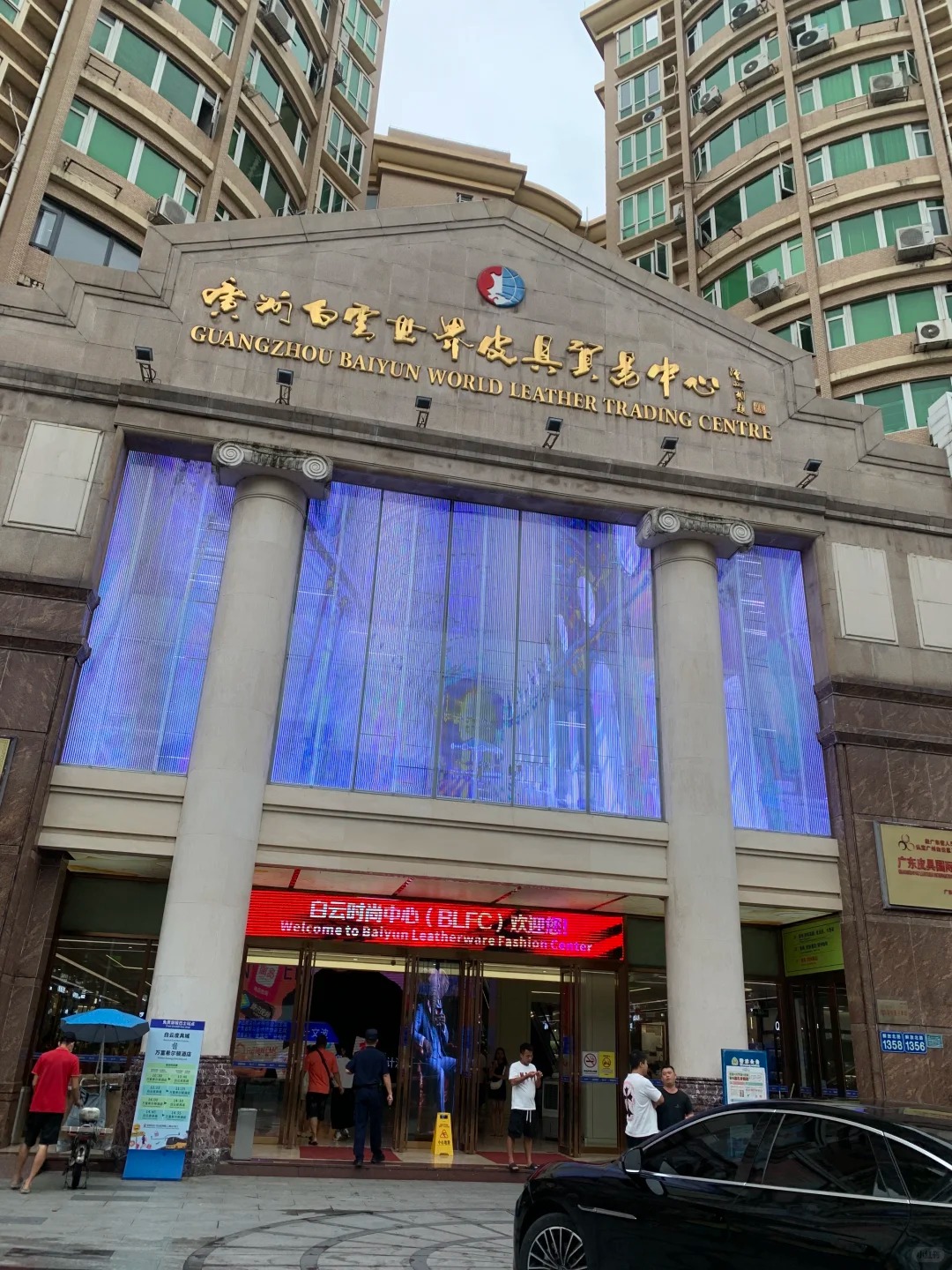
Baiyun Leather City, as a modern, international leather trade center, boasts 20,000 square meters of mall space and 10,000 square meters of office buildings, with comprehensive supporting services like finance, logistics, and exhibitions. It has attracted hundreds of international brands. White-label products here offer outstanding value, designer styles are updated rapidly, and most booths are backed by their own factories, ensuring strong supply stability. It is suitable for buyers seeking both quality and variety.
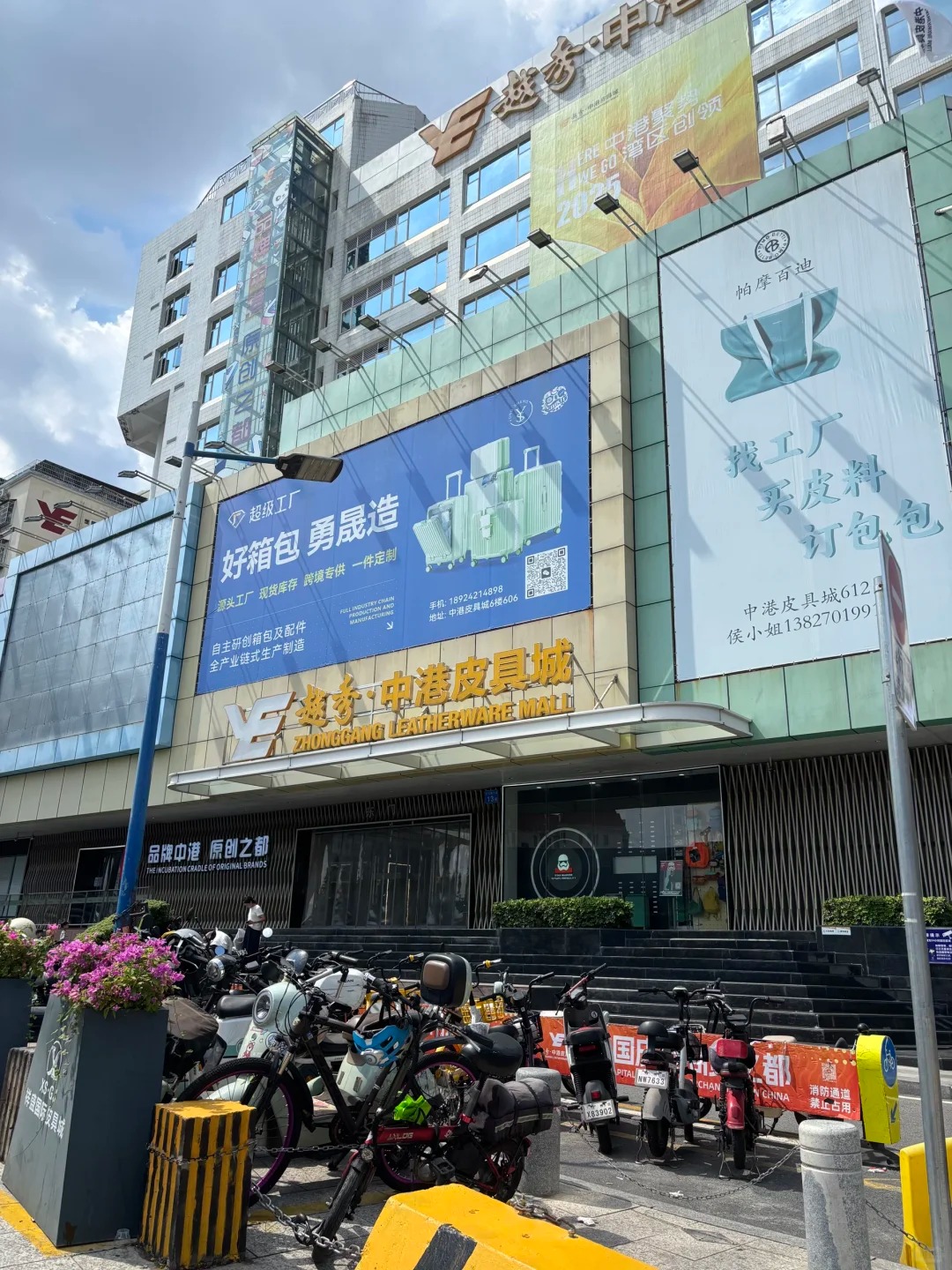
Zhonggang Leather City is an established professional market, primarily featuring factory-direct brand suppliers. It hosts direct agents for well-known domestic brands and numerous booths with independent R&D and design capabilities. Its product quality control is strict, and pricing is transparent, making it more suitable for European and American SME buyers who prioritize supply authenticity and long-term cooperation stability.
Note that traditional offline visits require significant time for screening, and some booths may be cautious with unfamiliar buyers. You can browse the vendor lists for these two major markets on the GZWM website, directly obtain their WeChat contacts, and communicate online in advance about product details, samples, etc., significantly improving sourcing efficiency.
II. Genuine Leather vs. PU: How to Remotely Identify Material & Quality Grades
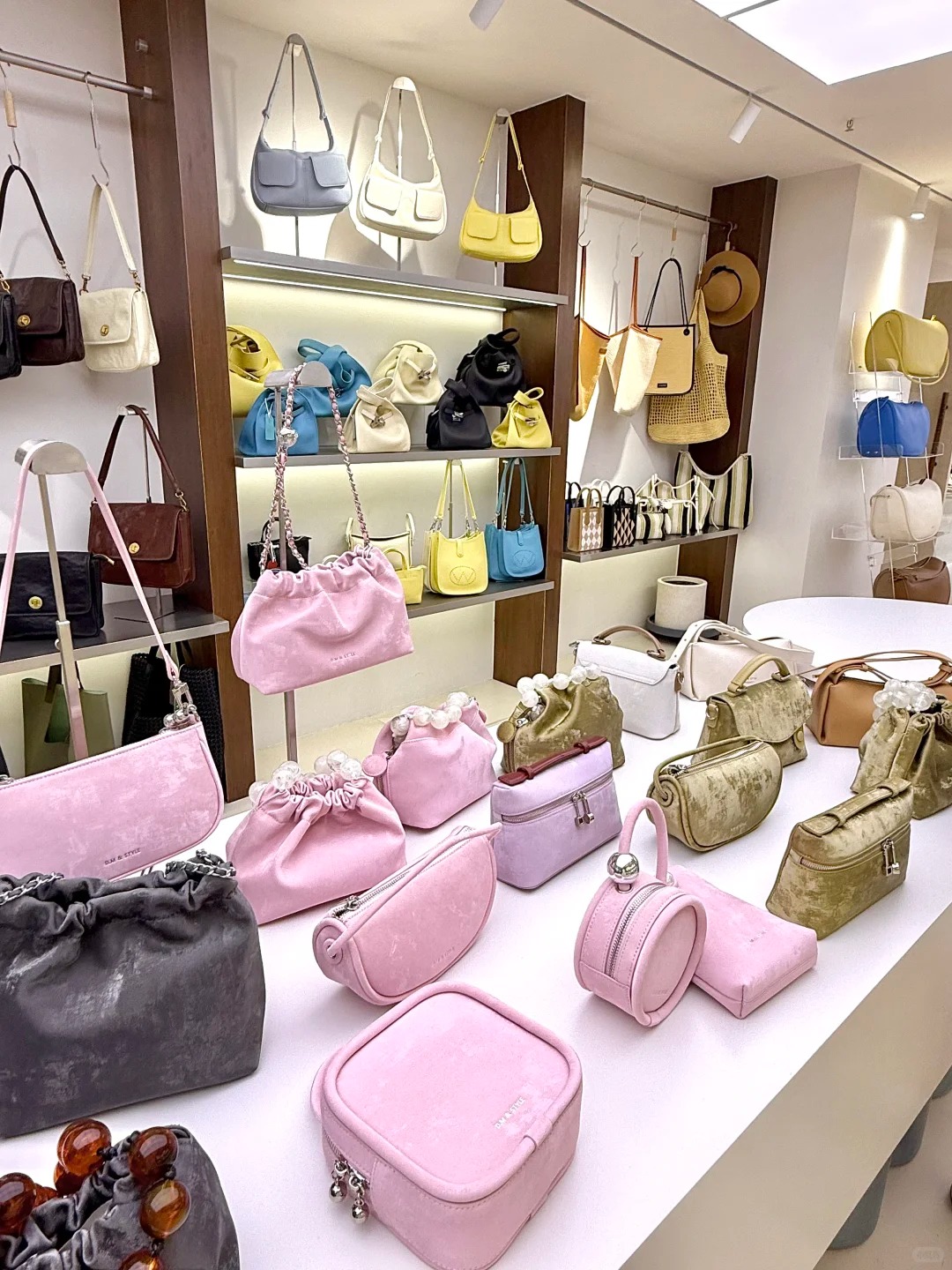
For remote European and American buyers, accurately distinguishing material and quality grade is a key challenge. Common materials in Guangzhou’s markets fall into two main categories: genuine leather and PU (polyurethane). Their costs, textures, and suitable applications differ significantly. Terms like “Grade A” and “Top Quality” also require precise understanding.
1. Remote Material Identification Techniques
- Genuine Leather (often top-grain or split leather): Key characteristics are natural, irregular grain and good breathability. For remote identification, request high-resolution close-up photos (focusing on grain, edge cross-sections) and videos: Pressing the surface should create natural wrinkles that bounce back quickly; a burn test video should show a smell resembling burnt hair and crumbly ash.
- PU (Synthetic Leather): Grain is uniform and regular. Price is more affordable, and water resistance is better. High-quality PU feels close to genuine leather. Inquire if the supplier’s PU passes environmental tests (e.g., REACH certification). PU meeting EU/US environmental standards is more suitable for cross-border sales.
2. Understanding Quality Grade Terminology
While no unified national standard exists, the industry has conventional norms:
- Top Quality: Often uses top-grain leather or high-quality eco-friendly PU. Hardware passes over 5,000 open/close tests smoothly. Stitching is even and dense, detailing is excellent, and durability far exceeds industry standards.
- Grade A: Materials are often split leather or mid-range PU. Craftsmanship meets standards with no obvious flaws. Offers excellent value and is a mainstream choice for batch purchases by SME buyers.
- Standard Grade: Materials are basic PU with simpler processes and low prices. Suitable for high-volume purchases but requires attention to environmental compliance.
For remote sourcing, besides requesting detailed material test reports and quality grade explanations, you can use the vendor rating system on the GZWM website to check feedback from other European/American buyers, further verifying a vendor’s product credibility.
III. Customization & OEM: Small-Batch Private Labeling & MOQ Rules
Most European and American SME buyers have needs for customization or OEM (private labeling). Guangzhou leather goods vendors offer considerable flexibility here, well-suited to small and medium batch orders.
1. Can Vendors Handle Small-Batch Private Labeling?
Yes. With the advancement of flexible production systems, most vendors (especially in Baiyun and Zhonggang Leather Cities) support small-batch private labeling. Services can include logo embroidery, hot stamping, silk-screen printing, etc. Some capable vendors can also offer design optimization advice to help refine product details for European/American market aesthetics.
Before ordering, clarify labeling requirements via WeChat: logo size, color, technique, any product detail modifications. Also, request a sampling service. Confirm the sample meets expectations before signing a purchase contract.
2. What is the Typical Minimum Order Quantity (MOQ)?
MOQs in Guangzhou’s leather goods market are not standardized and depend on material, process complexity, and the vendor’s production model.
- White-label ready-made goods: Lower MOQ. Some vendors accept 50-100 pieces, or mixed batches (e.g., min. order value 3000 CNY or 100+ pieces, with a minimum of 20 pieces per style).
- Small-batch private label: MOQ typically ranges from 100-500 pieces. Some vendors specializing in small batches may go as low as 50 pieces, far below the industry average threshold of 1000 pieces.
- Designer-style custom products: Involves pattern development and fabric sourcing, so MOQ is higher, generally 500+ pieces. However, good vendors can adjust flexibly based on total order volume.
You can use the GZWM website to filter vendors supporting small-batch private labeling, directly communicate MOQ details via their WeChat contacts, and accurately match with suitable partners based on your order size.
IV. Logistics Special Notes: Packaging & Tariff Considerations for Leather Goods Export
Packaging standards and tariff declarations directly impact customs clearance efficiency and procurement costs. European and American SME buyers should focus on:
1. Export Packaging Requirements
Leather goods are pressure and moisture-sensitive. Export packaging should follow standards like ISTA 3E. General leather goods use non-woven fabric covering + honeycomb cardboard for protection against friction. Genuine leather products require added desiccants (maintain RH <45%). High-end genuine leather items may need vacuum aluminum foil bag packaging to prevent mold.
Confirm with the vendor if packaging meets destination country labeling requirements (e.g., pre-attached EORI code for EU, IOSS number declaration for e-commerce). Most vendors offer customized export packaging services—confirm details via WeChat in advance.
2. Tariff Declaration Notes
Tariff rates for leather goods vary significantly by country/region. Understand the policies of your destination country beforehand. For example:
- EU: Classifies products from shredded leather pieces under textiles (approx. 4.7% duty), while whole leather items may fall under luxury goods (approx. 12% duty).
- USA: Shredded furskins (≤5 cm²) may fall under HTS 4302.19.0060 with a duty rate as low as 1.5%.
Ensure product information matches the declaration to avoid fines for material/process misdeclaration. It’s advisable to partner with vendors possessing export qualifications or consult their export experience via the GZWM website. Some vendors can assist by providing material test reports, certificates of origin, etc., to reduce customs risks.
V. Sourcing Summary: Key to Efficiently Connecting with Quality Guangzhou Suppliers
As the core of the global leather goods supply chain, Guangzhou offers suppliers that perfectly match the needs of European and American SME buyers in terms of value, style variety, and customization flexibility. The key to successful sourcing lies in accurately screening vendors, clarifying requirements in detail upfront, and mitigating logistics/customs risks.
The GZWM website focuses on quality vendors in Guangzhou’s core leather goods markets. It provides a complete vendor list and, more importantly, direct access to each vendor’s WeChat contact. This allows you to efficiently connect with suppliers remotely without traveling. Whether you’re seeking high-value white-label products or custom designer styles, you can quickly filter matching vendors on the site. Pre-negotiate all process details online—samples, MOQ, packaging, clearance—making your Guangzhou leather goods sourcing more efficient and hassle-free.

Comments0