Looking at the dazzling array of products on his screen, David, a small retailer in Portland, did the math: if he flew to Guangzhou to source in person, the cost of flights, hotels, meals, and time would exceed $3,000. He decided to try a new approach—Remote Sourcing. The result? He used the money he saved to stock 40% more inventory.
For many small and medium-sized buyers in the West, traveling to Guangzhou wholesale markets is both aspirational and challenging. The time cost, travel expenses, and language barriers are real hurdles.
Today, mature remote sourcing models have made “Global Sourcing from Home” a reality. This article provides a complete guide to help you source efficiently and safely from Guangzhou markets without leaving your office.
Table of Contents
01 The New Trend: Supply Chain in the Digital Age
Global trade is undergoing a profound transformation. In the past, buyers had to physically visit markets, inspect goods, and negotiate face-to-face. Now, with digital tools and professional services, Remote Sourcing has become Standard Operating Procedure (SOP) for SMEs.
This model not only saves over $3,000 in travel expenses but also drastically improves efficiency. You can compare dozens of suppliers from your desk instead of rushing between different wholesale markets.
Successful remote sourcing relies on three key elements: Reliable Supplier Information, Efficient Communication Tools, and Professional Logistics. When these three work in synergy, you get an experience that rivals—or even exceeds—being there in person.
02 Step 1: Pinpoint Ideal Suppliers Online
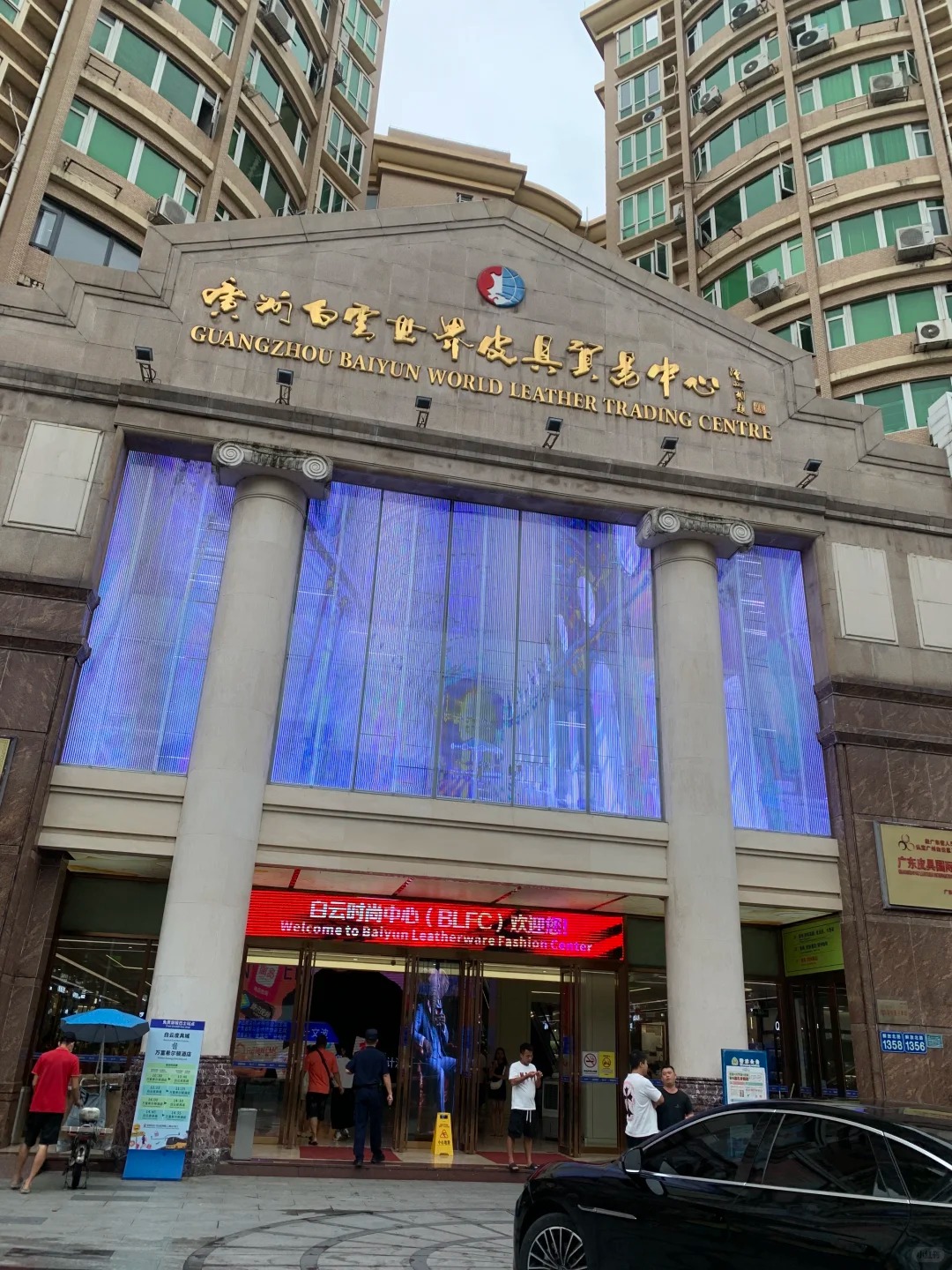
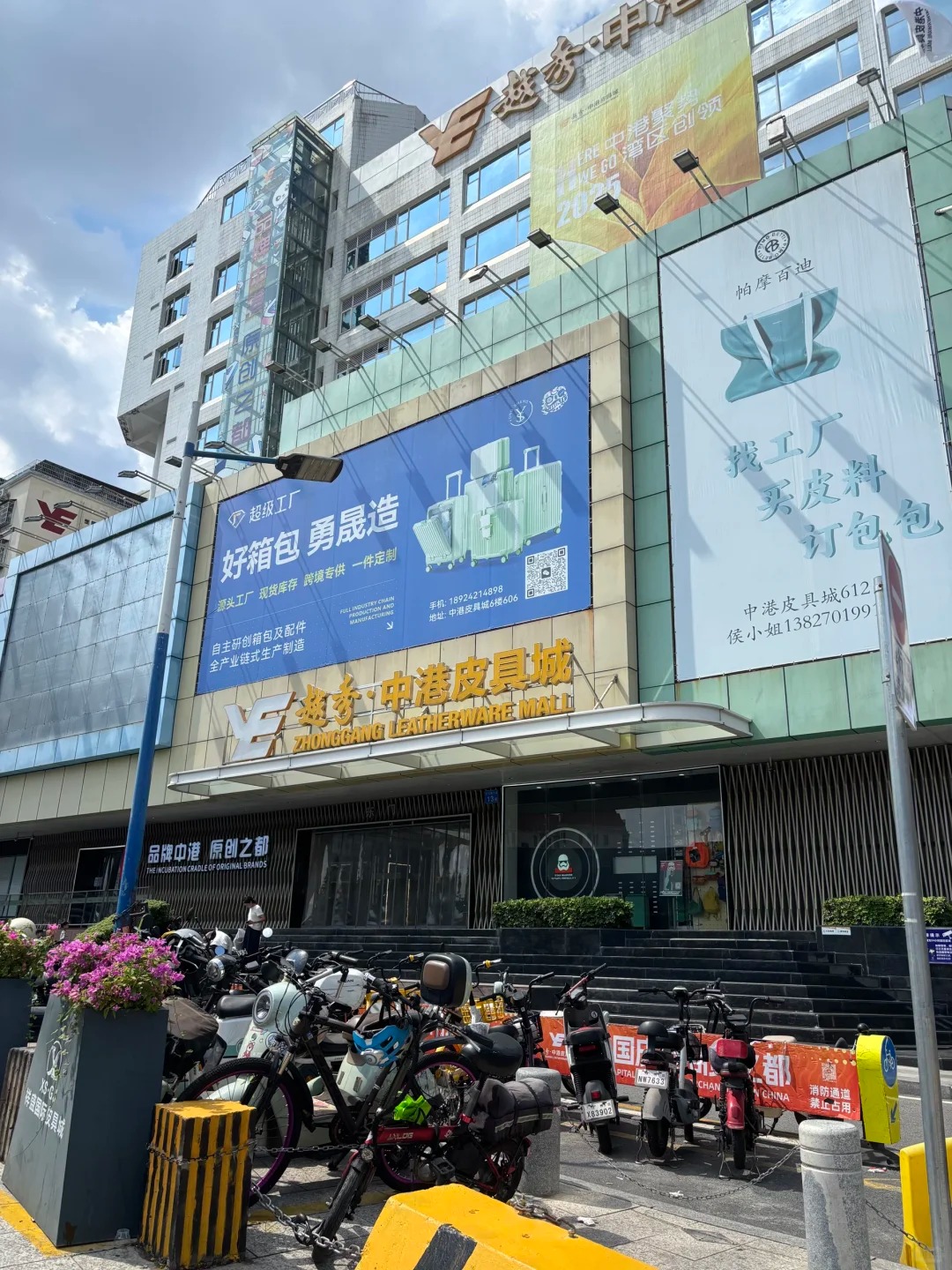
The first step is finding the right supplier. The GZWM website curates verified stall information from major Guangzhou wholesale markets, making it the ideal starting point for your search.
Browse with Strategy. Don’t just scroll blindly. First, clarify your sourcing needs:
- Product category, specifications, and expected price range.
- Order volume (Many suppliers have Minimum Order Quantity/MOQ requirements).
- Whether you need customization or Private Label services.
Use the site’s filter functions to narrow down your options, then evaluate each potential supplier carefully. Check the quality of their product images—professional suppliers usually provide high-resolution photos from multiple angles, or even videos.
Pay attention to key details in descriptions: Material composition, size specs, packaging methods, and stock status. Experienced suppliers will provide complete technical parameters.
When comparing suppliers, look at their Update Frequency. Suppliers who update product info regularly are usually more active and reliable. Also, check for any available client reviews or case studies.
Note: Many stalls on our website provide direct contact details, including the most popular business tool in China—WeChat. You can connect directly by scanning their QR code or adding their ID.
03 Step 2: The Art of WeChat Communication
Once you have identified a supplier, the next step is establishing direct contact via WeChat. This app is ubiquitous in China and serves as your bridge to the supplier.
How to use WeChat effectively for business:
First, optimize your profile. Use a professional headshot and name; this increases the supplier’s trust in you.
For the first contact, send a clear introduction: “Hello, I am [Your Name] from [Country/Company]. I saw your [Product Name] on GZWM and would like more details.”

Mind the Time Zone. China Standard Time is roughly 13 hours ahead of EST and 7 hours ahead of CET. Choose a time that works for both parties for real-time chats or video calls.
Ask specific questions to get better answers. Instead of just asking “How much?”, try: “We are interested in Item #XXX. We need 500 pieces. What is the FOB Guangzhou price? What is the MOQ?”
Requesting a physical sample is a critical step in remote sourcing. While you will need to pay for the sample and shipping, it is the most reliable way to verify quality. Trustworthy suppliers will usually agree to this.
Build the relationship. Ask about their market experience, main client base, and production capacity. This helps you assess their reliability and fit.
04 Step 3: Logistics & The Value of Freight Forwarders
After confirming the supplier and samples, the next step is shipping. Here, a Freight Forwarder becomes your most important partner.
A Freight Forwarder acts as the bridge between you and the supplier, providing key services:
- Consolidation: Collecting goods from multiple suppliers into one warehouse and shipping them together.
- Documentation: Handling export paperwork, customs clearance, and shipping arrangements.
- Quality Control (QC): Some forwarders offer inspection services to ensure goods meet your standards.
- Shipping Solutions: Selecting the best mode (Air, Sea, or Express) based on your budget and timeline.
Factors to consider when choosing a Forwarder:
- Experience: Do they have specific experience clearing customs in your country?
- Transparency: Are all fees clear? Avoid hidden costs.
- Communication: Can they communicate clearly in your language?
- Reputation: Look for reviews or references from other buyers.
The Basic Workflow:
- Provide supplier info and cargo details.
- Get a quote and shipping plan.
- Confirm service and arrange pickup.
- Track cargo status until delivery.
Proper planning reduces costs. For small batches, International Express might be best; for bulk orders, Sea Freight is more economical, though slower. Your forwarder can offer the best advice for your specific situation.
05 Beyond Cost Savings: The Full Benefits
The advantage of remote sourcing goes beyond just saving airfare. When you reinvest that saved $3,000 into purchasing, you effectively increase your buying budget by 15-30%, depending on your scale.
Wider Market Access. You can contact multiple suppliers across different markets simultaneously without geographical limits. This means more choices, better prices, and superior products.
Increased Efficiency. Remote sourcing saves you from long-haul flights, jet lag, and running around markets, allowing you to focus on core business activities. A well-planned remote sourcing session can be more efficient than a rushed physical trip.
Supply Chain Resilience. By building remote relationships with multiple suppliers, you create a more flexible supply chain. If one supplier has issues, you can quickly pivot to others you have already connected with.
Continuous Product Development. Once a remote channel is established, you get continuous updates on new products, trends, and special offers, keeping your inventory fresh and competitive.
06 Start Your Remote Sourcing Journey Today
Remote sourcing is no longer a compromise; it is an efficient model for modern international trade. Through the “Browse – Contact – Logistics” 3-step method, you can build a stable Guangzhou supply chain without leaving your office.
We understand that for first-time buyers, finding a reliable starting point is crucial. GZWM aggregates selected premium stalls from Guangzhou’s major wholesale markets, giving you that convenient head start.
If you are ready to begin, we suggest:
- Browse the stall list on our website and filter potential suppliers based on your business needs.
- When you find a supplier you like, add them directly via the WeChat QR code or ID provided.
- Start the conversation by mentioning you found them on GZWM—this sets a professional tone.
Even for experienced buyers, the first remote purchase takes some adjustment. Start with small orders, build trust, and soon you will master this highly efficient sourcing model.
The landscape of international trade is changing. Mastering remote sourcing not only saves money but opens the door to a broader, more flexible global supply chain.

Comments0