

No, Hermès bags are not made in China. They are predominantly crafted in France by extensively trained artisans. A small fraction of their specialized items may be produced in other European countries like Italy or Switzerland. It’s that simple. Any claim suggesting their core leather goods are manufactured in Asia is factually incorrect.
Here’s the thing. The reality of heritage luxury houses keeping production strictly in Europe often skews the public perception of global manufacturing. The narrative is outdated. Today, China’s bag manufacturing hubs—specifically the Shiling area in Guangzhou—have evolved far beyond mass-market canvas goods. They are currently engineering premium leather goods for top-tier contemporary labels worldwide.
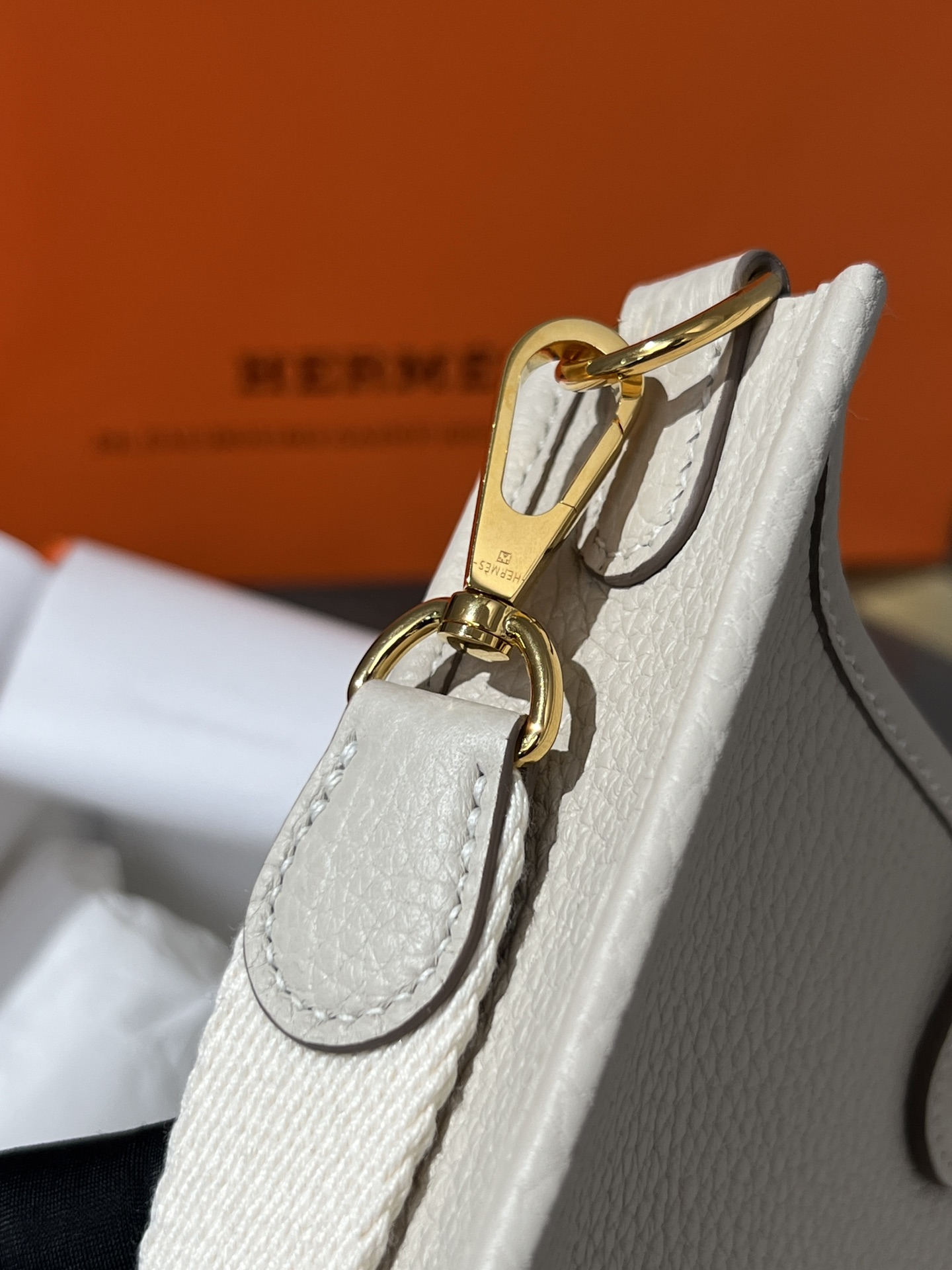
The infrastructure is staggering. Modern Chinese factories don’t just stitch. They engineer. They source top-grain leathers from the exact same tanneries in Arzignano, Italy, that European houses use. They deploy advanced automation alongside highly skilled technicians who understand complex bag architecture.
The Real Supply Chain Divide
To understand how global production actually splits, look at the underlying operational models rather than just the geographic labels.
| Metric | European Heritage Production | Premium Chinese OEM/ODM |
| Primary Focus | Brand heritage and bespoke artisan legacy | Scalability, rapid prototyping, and precision |
| Lead Times | Often 6 to 12 months for new developments | 30 to 45 days for full production runs |
| Supply Chain | Highly localized and vertically integrated | Hyper-agile and densely clustered networks |
| Unit Economics | Extreme retail markup driven by brand equity | High ROI driven by manufacturing efficiency |
Technical Manufacturing Standards
Look, building a world-class bag is just math and material science. You can’t fake quality. You engineer it. When vetting factories through platforms like GZWM, these are the exact metrics you should demand:
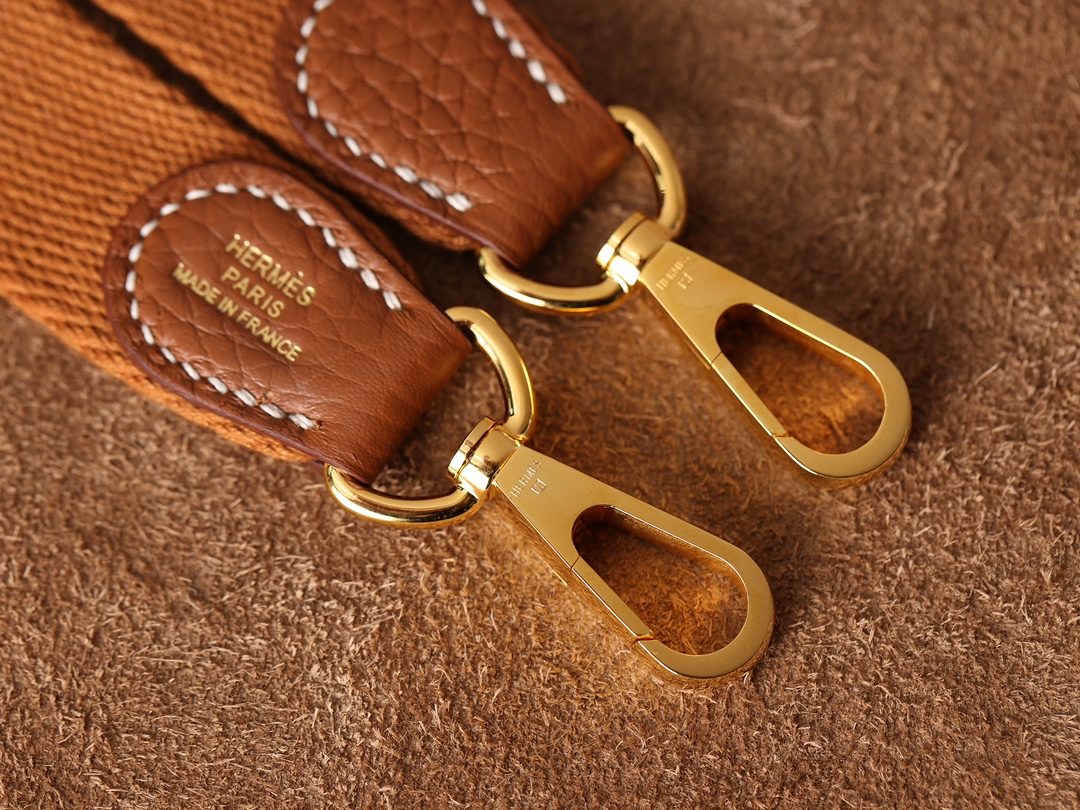
- Stitching SPI (Stitches Per Inch): Premium bags require high, consistent stitch density. We look for 8 to 10 SPI using high-tensile Gütermann or Serafil threads. Anything less than 7 SPI points directly to rushed mass production.
- Hardware Vacuum Plating: Standard electroplating chips easily. High-end Chinese manufacturers utilize PVD (Physical Vapor Deposition) vacuum plating. This process prevents oxidation and ensures hardware retains its structural integrity and luster for years.
- Edge Painting Process: This separates the amateurs from the pros. A premium edge is never just painted once. It is sanded, heated, and painted three to five times with specialized sealants to create a smooth, domed edge that will not crack under repeated flexing.
- Fabric Density and Internal Structure: For non-leather components, the Denier count dictates durability. But more importantly, the bag’s structural integrity relies on hidden reinforcements. Premium factories use specific grades of Salpa (bonded leather) or high-density EVA foam between the exterior and the lining to hold the shape perfectly.
The Bottom Line
Truth be told, the premium bag sector is no longer defined strictly by geography. It is defined by technical specifications, material sourcing, and factory floor execution.
If you are a brand looking to leverage this exact level of manufacturing infrastructure, you need to bypass trading middlemen. Go straight to the source. You can use guangzhouwholesalemarket.com to connect directly with vetted OEM and ODM factories. Establishing a direct line to these manufacturers ensures your production meets the strict technical metrics required for modern premium leather goods.
Related Wholesale Market Directory Links
Use these directory pages to move from sourcing research to actual vendor shortlisting.

Comments0