

Yes, many Coach bags are made in China. While the company also utilizes manufacturing facilities in Vietnam, India, and the Philippines, China remains a massive hub for their premium leather production. Check the inner creed patch of modern inventory, and you will frequently see this origin.
Table of Contents
The Objective Supply Chain Reality
Let’s be real. The global leather goods industry doesn’t run on romance or heritage nostalgia. It runs on industrial efficiency.
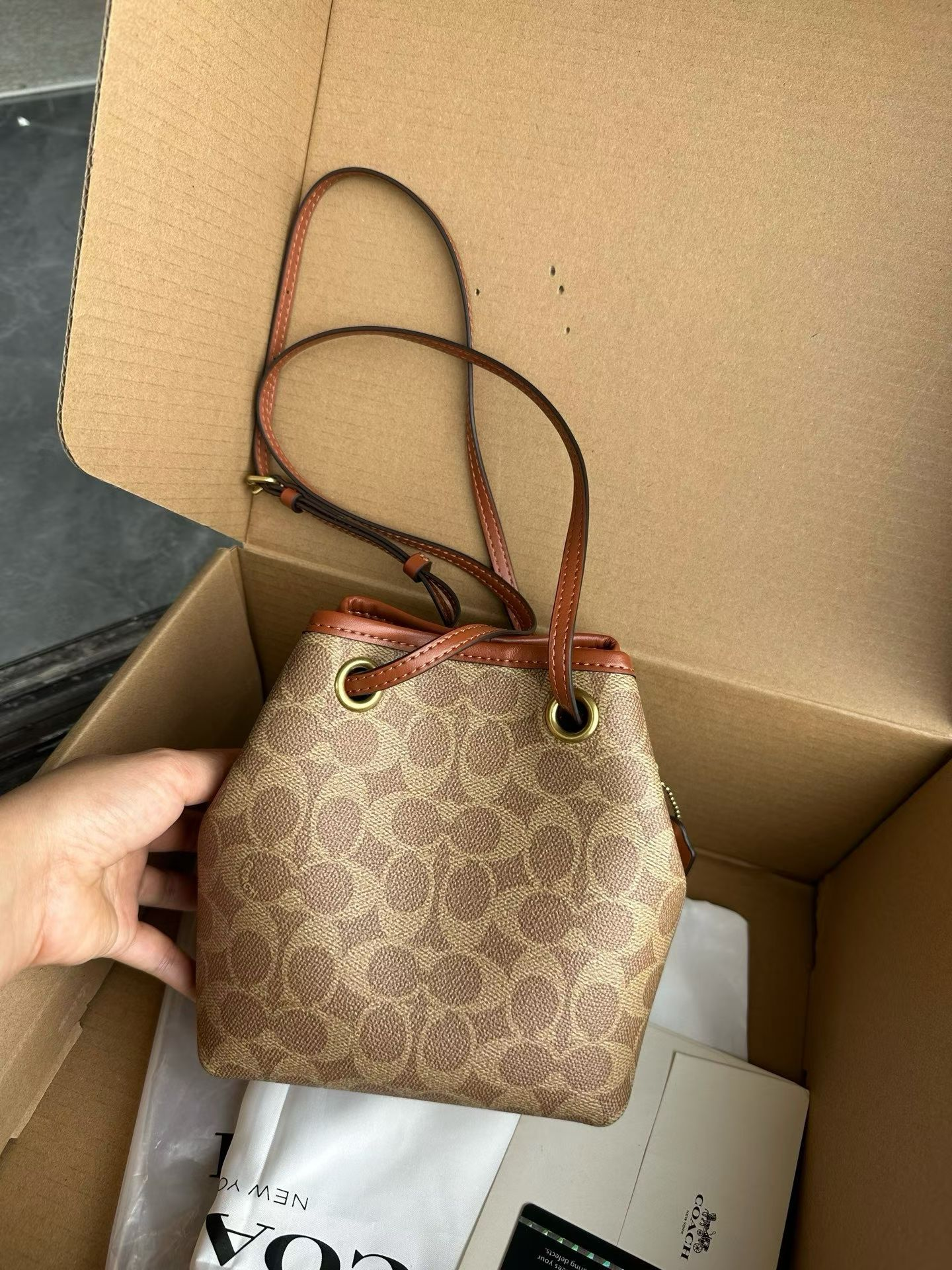
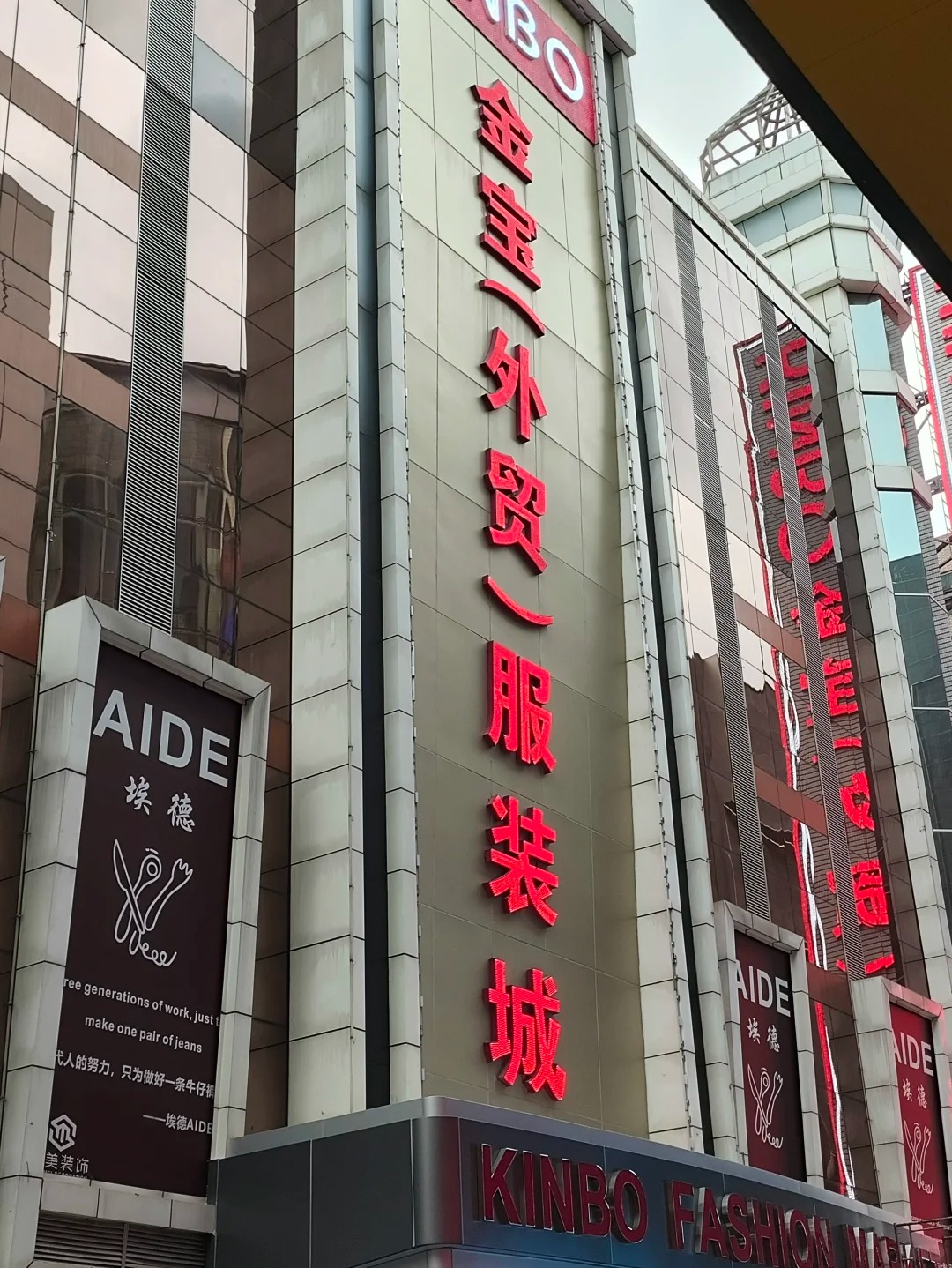
For decades, consumers have debated the prestige of manufacturing origins. But behind closed doors, supply chain veterans know that China has built an unbreakable infrastructure for high-end bag production. We are talking about highly specialized industrial clusters. Areas like Shiling in Guangzhou are ground zero for this exact type of manufacturing.
You want top-tier leather skiving? They have the imported machinery. You need custom hardware cast and finished overnight? It happens down the street. It’s not about cheap labor anymore. That era is dead. Today, global brands go to Chinese OEM hubs for sheer execution scale, raw material proximity, and technical precision.
Supply Chain Vets vs. Amateurs
When it comes to assessing bag quality, consumers and industry insiders look at completely different things.
| Feature | The Amateur Assumption | The Supply Chain Reality |
| Origin Tag | Believes European tags guarantee flawless quality. | Knows country tags often just dictate final assembly; components are sourced globally. |
| Stitching | Simply checks if the thread line looks straight. | Counts the exact Stitching SPI to ensure structural integrity and aesthetic balance. |
| Hardware | Taps it to see if it feels heavy or sounds like metal. | Demands vacuum plating and anti-oxidation processing to prevent fast tarnishing. |
| Edges | Assumes smooth edges are folded leather. | Checks the layers and sanding quality of the edge painting application. |
Technical Manufacturing Standards That Actually Matter
A high-end bag isn’t magic. It is math, chemistry, and engineering.
Here’s the thing. When vetting factories through platforms like GZWM, you shouldn’t ask generic questions about “good quality.” You need to demand specific, quantifiable industrial metrics. These are the exact parameters that separate premium manufacturing from standard production:
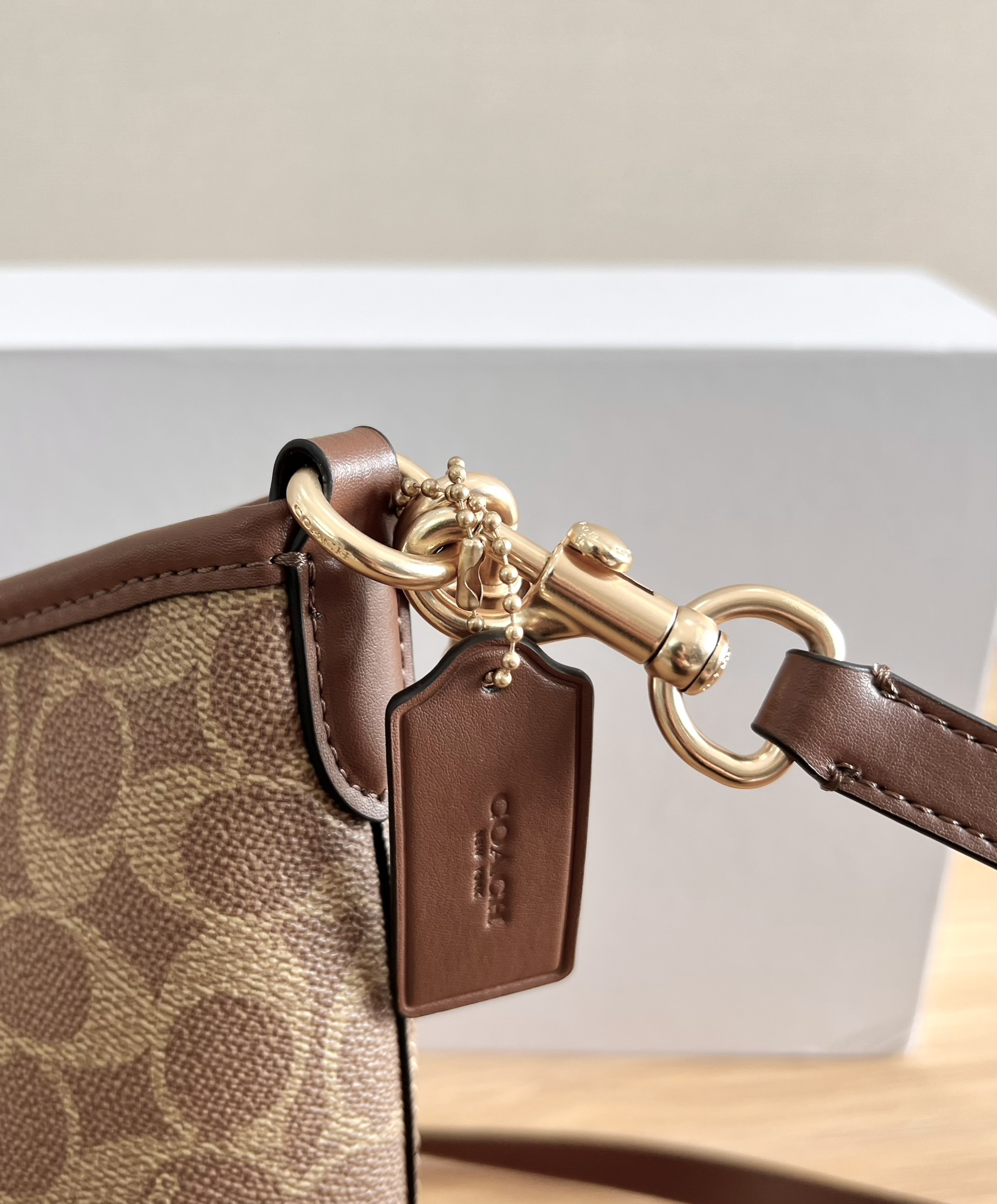
- Stitching SPI (Stitches Per Inch): This is non-negotiable. Premium leather goods typically sit around 9 to 11 SPI. Too few stitches, and the bag looks cheap. Too many, and the needle perforations will weaken and tear the leather over time.
- Hardware Vacuum Plating & Anti-Oxidation Processing: Standard water electroplating flakes off in six months. High-end production uses vacuum plating to ensure metal components resist scratches, humidity, and chemical wear.
- Edge Painting: You can always spot rushed manufacturing on the edges. Top-tier factories apply three to five distinct layers of edge paint. They sand and cure the leather between every single coat to achieve a seamless, rubbery, and flexible finish that won’t crack in cold weather.
- Fabric Density (Denier Count): If nylon, canvas, or structural linings are used, the denier count dictates the fabric’s durability. High-density fabrics maintain the bag’s skeleton and prevent internal tearing under heavy loads.
The Takeaway
Truth be told, a “Made in China” tag on a premium bag is a stamp of massive industrial capability.
If you are building a brand, sourcing inventory, or designing a new line, stop chasing origin myths. Chase factory data. Demand hard metrics. If you need to connect with source factories that actually understand strict SPI tolerances and complex edge painting, you can use guangzhouwholesalemarket.com to bypass the middlemen. Platforms like GZWM give you direct access to the exact tier of OEM and ODM facilities that power global retail. Get your technical specs locked in, and then go direct.
Related Wholesale Market Directory Links
Use these directory pages to move from sourcing research to actual vendor shortlisting.

Comments0