
Table of Contents
- The Short Answer
- The Big Three Shoe Regions
- Nine Production Hubs and What Each One Actually Makes
- Where to Buy: Guangzhou and Wenzhou
- The Search Trick: How to Find the Real Source Factory
- Frequently Asked Questions
Most buyers sourcing shoes from China make the same mistake: they search for a product and hope the factory behind it is real. Professionals do the opposite — they start from the production hub, because in China’s shoe industry, geography decides quality, price, and style before any conversation begins. This guide maps every major shoe-producing region in China, explains what each one actually makes, and shows you exactly where to buy.
The Short Answer
Over 80% of China’s footwear output concentrates in three provinces: Guangdong, Fujian, and Zhejiang. Guangdong covers mid-to-high-end full-category manufacturing, Fujian dominates sports shoes, and Zhejiang (Wenzhou) does everything from premium OEM to budget volume. Sichuan, Hebei, and Henan each host one or two specialized hubs worth knowing. For buying in person, two cities are enough: Guangzhou for wholesale markets and export stock, Wenzhou for factory-direct OEM.
The Big Three Shoe Regions
Guangdong is the most complete footwear province in the country. Factories here supply the full category range — leather shoes, sneakers, casual, boots — with a visible tilt toward mid-to-high-end and “quiet luxury” styles. The province’s strength is supply chain depth: materials, molds, lasts, and packaging are all within one industrial radius.
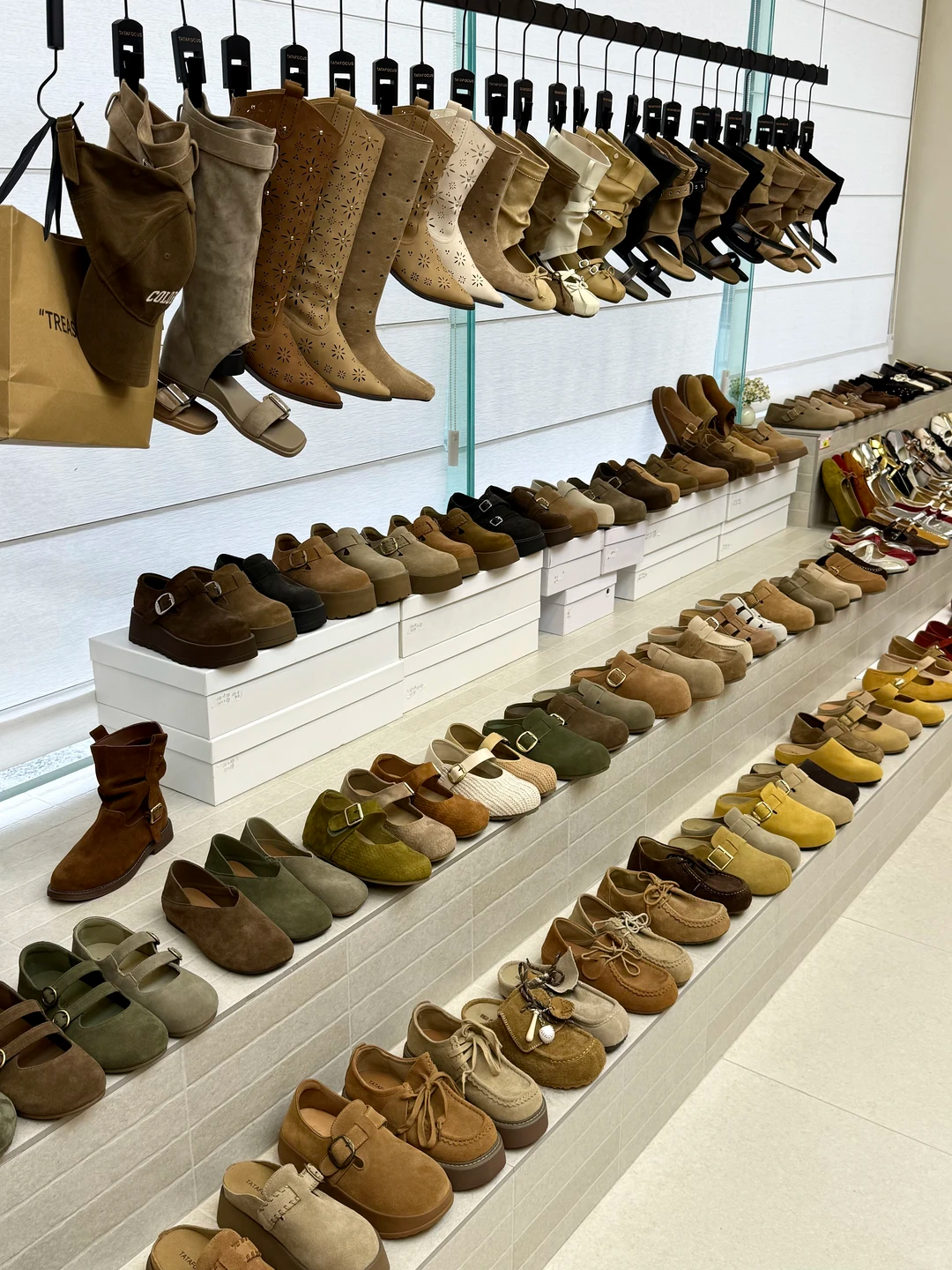
Fujian is the sports shoe capital. The Jinjiang–Putian corridor produces athletic footwear at a scale no other region matches, including the OEM lines behind many international big-brand styles. If your product is a sneaker, a trainer, or a running shoe, this is where it was most likely born.
Zhejiang, centered on Wenzhou, is the oldest and most versatile shoe region. Wenzhou factories run the entire quality spectrum — from premium OEM for foreign labels to high-volume budget lines — and the local market infrastructure is the most developed in China.
Nine Production Hubs and What Each One Actually Makes
| Hub | Region | Specialization | Positioning |
|---|---|---|---|
| Dongguan | Guangdong | Full category, leather, quiet-luxury styles | Mid-to-high-end |
| Heshan | Guangdong | Business and dress leather shoes | Mid-range |
| Jieyang | Guangdong | Plastic shoes, slippers, rain boots | Volume / low price |
| Jinjiang & Putian | Fujian | Sports shoes, big-brand style OEM | Mid-range to high |
| Wenzhou | Zhejiang | Full category, all quality tiers | All levels |
| Chengdu | Sichuan | Genuine leather shoes, women’s footwear | “Women’s shoe capital” |
| Santai & Dingzhou | Hebei | Low-to-mid OEM; Dingzhou specializes in slippers | Budget |
| Suixian | Henan | Sports shoe OEM | Low-to-mid |
| Sangpo (Jiaozuo) | Henan | Snow boots | Trending, seasonal hot |
Two hubs deserve special attention. Chengdu has quietly become China’s women’s leather shoe capital — its factories work genuine leather at prices coastal regions struggle to match. Sangpo, a small town near Jiaozuo, exploded in recent years as the snow boot source for the entire domestic e-commerce market; in season, the whole town converts to sheepskin boots.
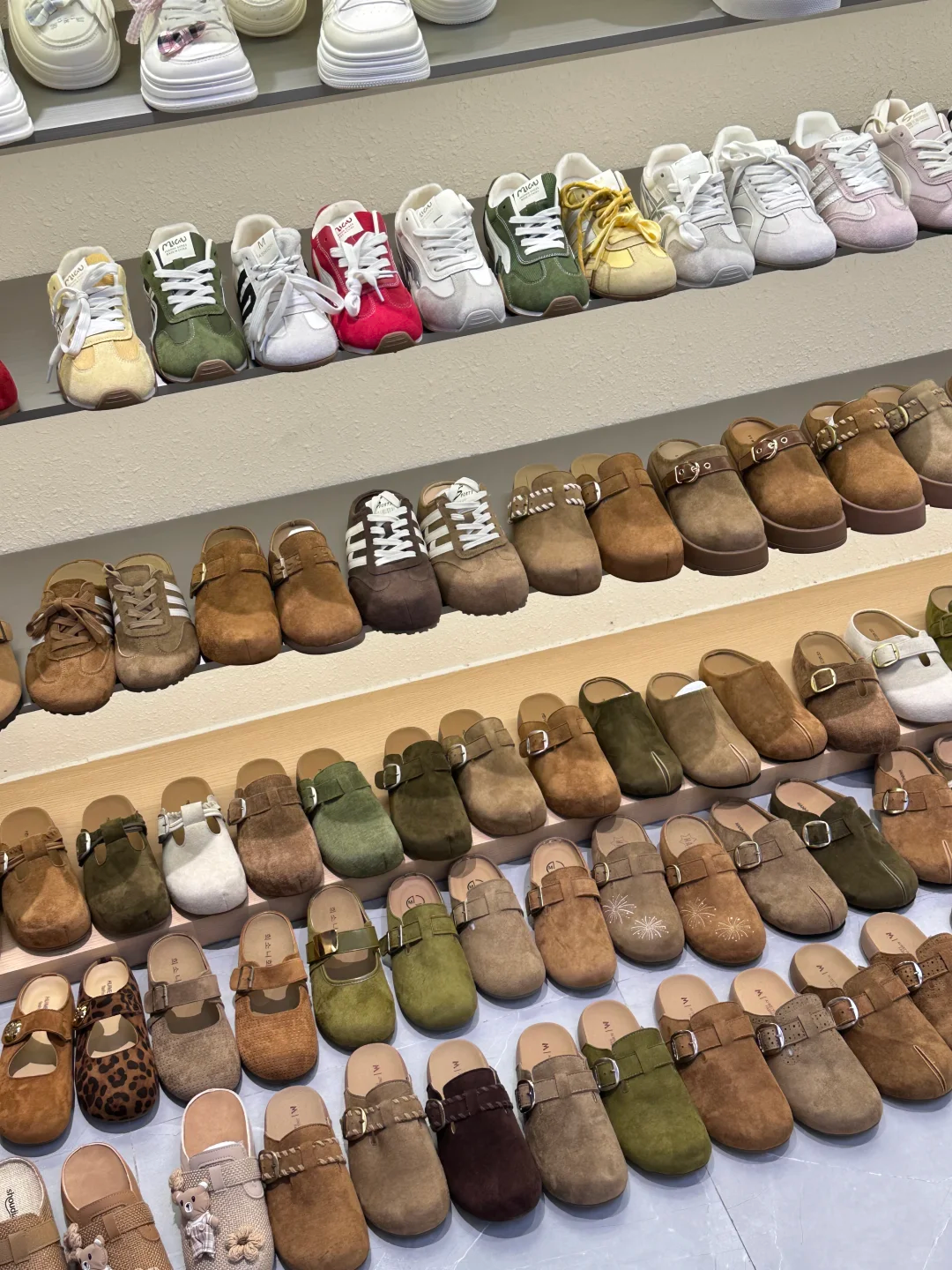
Where to Buy: Guangzhou and Wenzhou
If you are buying stock (not placing OEM orders), you only need these two cities.
Guangzhou concentrates its shoe trade in five locations:
- Buyun Tiandi — the ground floor is a dedicated shoe-materials market; the upper floors wholesale men’s and women’s shoes. Ideal when you want materials sourcing and finished goods in one trip.
- Daduhui — focused on original women’s shoe designs, with a high share of factory-direct stores. Best for buyers who want differentiated styles instead of copied bestsellers.
- Gaodixi West Street — the viral women’s shoe wholesale street. Styles here move fast and trends arrive first; minimums are friendly to small buyers.
- Guoda and Guangda Shoe Cities — the foreign-trade cluster, strong in export-oriented goods and big-brand-style categories.
- apM Times Fashion City, level B1 — a modern mall environment with trendy styles, mixed-batch friendly, and the smoothest experience for first-time overseas buyers.
Wenzhou suits buyers who want factory-direct deals:
- For wholesale market browsing, go to the Wenzhou International Shoe City (including the adjacent shoe expo halls).
- For factory-showroom sourcing, work the industrial-trade zones: Pandai, Xiedu Phase III, Xinhao Tiandi, and the New-Generation Industrial Park, where integrated factory-and-showroom suppliers cluster.
- For low-end and tail stock (leftover export lots), head to Xianjiang Town in Rui’an — the budget stock capital of the region.
The Search Trick: How to Find the Real Source Factory
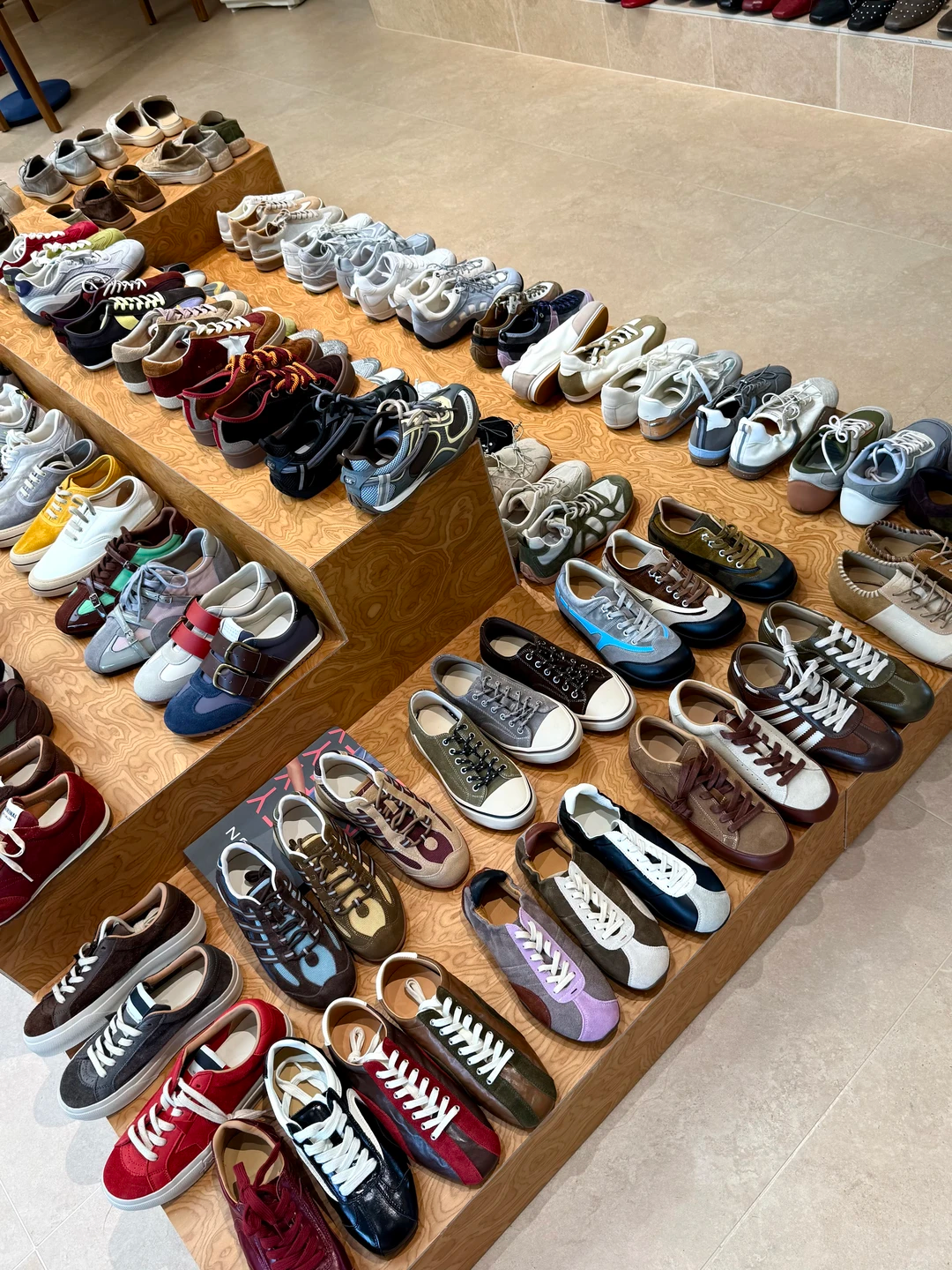
Here is the technique experienced Chinese buyers use daily: search the product name together with its origin place. Looking for snow boots? Search “Sangpo snow boots.” Looking for athletic styles? Search “Jinjiang sports shoes.” On 1688 or Alibaba, adding the place name filters out traders and surfaces the factories that actually produce the category — because genuine source factories market themselves through their hometown’s reputation.
This works because each hub above spent decades building a specialized supply chain that generalist traders cannot replicate. When you know where a shoe type is born, you hold the single most important piece of information in Chinese footwear sourcing.
Frequently Asked Questions
Which region makes the best quality shoes in China?
For mid-to-high-end leather and quiet-luxury styles, Dongguan and Wenzhou lead. For sports footwear, Jinjiang and Putian set the standard. Chengdu offers the best value in genuine leather women’s shoes. “Best” always depends on the category — that is exactly why sourcing by region beats searching by product.
Can I buy from these factories without visiting China?
Yes, but verification becomes the challenge. Most factories communicate through WeChat and accept orders via a local agent or sourcing partner. A practical path is to shortlist suppliers through a verified directory first — for example, our Guangzhou wholesale vendor directory lists shoe-market suppliers with direct contact details for GZWM members — then confirm capability with video factory tours before paying.
I am a small buyer. Where should I start?
Start in Guangzhou. Markets like Gaodixi West Street and the apM B1 shoe zone accept mixed small batches, so you can test styles with low risk. Move to Wenzhou or the factory hubs once your volumes justify OEM orders.
What MOQ should I expect from a real shoe factory?
Stock designs from factory showrooms often start at 50–100 pairs per style. Custom-developed designs typically require 300–500 pairs to cover mold and sampling costs. Market stalls in Guangzhou and Wenzhou sell far below these minimums, which is why small buyers shop the markets rather than the factories.
How do I know I am talking to a factory and not a trader?
Combine the search trick above with due diligence: ask for the business license (which shows the registered address — it should sit inside the production hub), request a live video walkthrough of the production line, and check whether their price logic matches the region’s positioning. A “factory” in Guangzhou quoting Jieyang-level prices for claimed Dongguan quality is a red flag.
Related Reading
- Guangzhou Shoe Market Vendor Directory
- High-End Fashion Sourcing Guide
- Guangzhou Wholesale Market Overview
Related Wholesale Market Directory Links
Use these directory pages to move from sourcing research to actual vendor shortlisting.
Comments0