
A wholesale website for shirts in china can save money, or it can quietly bury you in middlemen markup, weak samples, fake fabric specs, and late shipments. The danger is not the website itself. The danger is buying from a polished page without knowing who actually cuts, sews, packs, and controls the shirt order.
On the GZWM (Guangzhou Wholesale Market) website, you can directly obtain contact information for all real suppliers in this market. You do not need to fly to China in person—you can connect directly with first-hand source factories and completely bypass the stall middlemen in the market. That matters because shirts are a volume product; one bad MOQ, wrong fabric weight, or hidden trading layer can kill your margin fast.
- What is the best wholesale website for shirts in china?
- How to check shirt prices, MOQ, and hidden markup online
- Where do China shirt suppliers actually source and ship from?
- How to order samples from a wholesale shirt website safely
- Quality control checklist before paying the balance
- Payment and shipping terms that protect shirt buyers
- People Also Ask: wholesale website for shirts in china
- What MOQ and lead time should I expect for wholesale shirts?
- How do I verify a shirt supplier is real?
- What fabric details must I confirm before production?
- Can I order private label shirts from China websites?
What is the best wholesale website for shirts in china?
The best wholesale website for shirts in china is the one that lets you compare real supplier contacts, product photos, MOQ, sample options, and factory capability before you pay. Do not judge by a beautiful catalog. Judge by how fast the seller answers technical questions: fabric GSM, shrinkage rate, color fastness, stitching standard, packing method, and whether they can show current production photos.
For shirts, the lowest quote is often a trap. A stall middleman can quote low, take your deposit, then search for a workshop after the order is confirmed. That is how buyers get wrong fabric, unstable sizing, and delivery excuses. A serious sourcing platform should help you reach the supply side, not just another sales desk.
- Ask if the supplier owns sewing lines or only collects orders.
- Request real workshop photos with today’s date or video call proof.
- Compare at least three quotes using the same tech pack.
- Check if the price includes label, hangtag, polybag, carton, and export packing.
How to check shirt prices, MOQ, and hidden markup online
Check shirt prices by locking the fabric, pattern, quantity, packing, and label details first; otherwise every quote is fake comfort. A 100% cotton shirt, polyester-cotton shirt, linen blend shirt, and brushed flannel shirt can sit on the same product page but carry very different cost structures.
MOQ is where many buyers lose control. A supplier may accept 100 pieces, but the fabric mill may require 300 to 500 meters per color. If you push for low MOQ with too many colors and sizes, the factory either raises the unit price or cuts corners on fabric sourcing. Your landed cost must include sample fee, pattern fee, label cost, carton volume, inland delivery, inspection, and international freight.
- Basic blank shirts: usually easier for low MOQ, but price competition is tight.
- Custom fabric shirts: higher MOQ because fabric dyeing and weaving need volume.
- Private label shirts: label and packaging are cheap, but mistakes look expensive to your customer.
- Printed or embroidered shirts: confirm setup fee, position tolerance, and wash resistance.
If a seller refuses to separate shirt cost, printing cost, packing cost, and freight estimate, assume markup is being hidden. Clean suppliers can break down cost without drama.
Where do China shirt suppliers actually source and ship from?
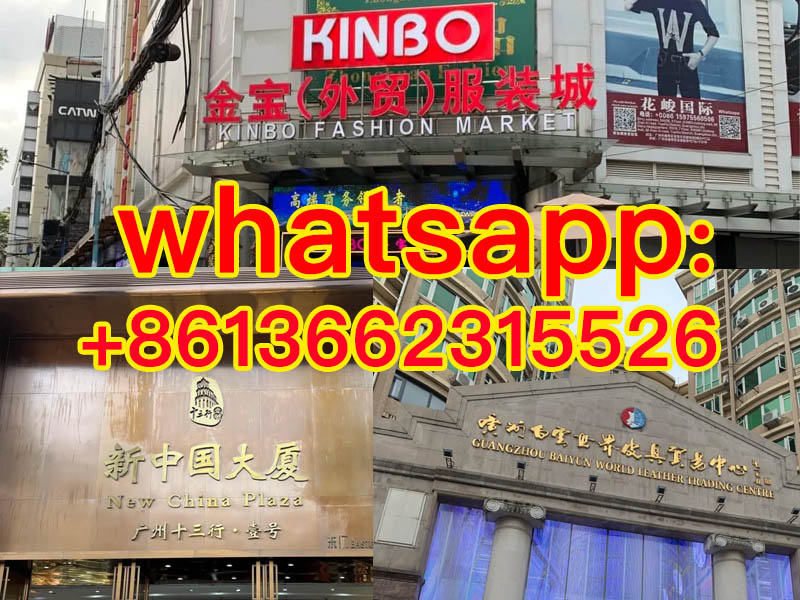
Most online shirt suppliers source from garment clusters in Guangdong, Zhejiang, Jiangsu, Fujian, and nearby fabric markets, then ship through major export channels such as Guangzhou, Shenzhen, Ningbo, Shanghai, or Yiwu logistics networks. The address on a website is not always the sewing location.
Guangzhou is strong for fashion shirts, fast market feedback, mixed-category wholesale, sampling speed, and export packing coordination. Zhejiang and Jiangsu can be strong for woven shirts, fabric mills, and larger production runs. Fujian is often strong around sportswear and casual knit supply chains. The practical move is simple: match the shirt type to the cluster, then verify who controls production.
- For fashion shirts, check Guangzhou supplier networks and market-linked factories.
- For large uniform orders, ask about factory line capacity and repeat clients.
- For fast replenishment, confirm stock fabric and ready cutting availability.
- For mixed SKUs, avoid too many suppliers unless you have consolidation control.
Shipping point affects cost and timing. A supplier quoting EXW from an inland workshop may look cheap until trucking, consolidation, and customs documents appear. Ask for EXW, FOB, and DDP options so you can compare real landed cost.
How to order samples from a wholesale shirt website safely
Order samples only after you send a clear spec sheet and confirm what the sample is meant to prove. A random showroom sample proves almost nothing. It may come from last season, another factory, or a better fabric than your bulk order.
For shirts, your sample check should focus on fabric handfeel, shrinkage, collar shape, placket straightness, button attachment, seam tension, sleeve balance, and size grading. Wash the sample before approval. Many shirts look acceptable out of the polybag and fail after one wash.
- Ask for one pre-production sample using bulk fabric when possible.
- Measure the shirt before and after washing.
- Photograph every defect and send marked comments.
- Confirm whether sample cost is refundable after bulk order.
- Keep the approved sample sealed as the production standard.
Do not approve production through photos only unless the order is very small and low risk. For branded orders, physical sample approval is cheap insurance.
Quality control checklist before paying the balance
Run quality control before balance payment, not after shipment. Once cartons leave the factory, your leverage drops sharply. Shirt defects are common because small errors repeat across hundreds or thousands of pieces.
Inspection should happen when at least 80% of the order is finished and packed. Pull random cartons, not the cartons the supplier wants to show. Check size ratio, color shade, fabric weight, stains, skipped stitches, loose threads, button strength, label position, barcode accuracy, carton marks, and packing count.
- Compare bulk goods against the approved sample, not against website photos.
- Use AQL inspection for medium and large orders.
- Reject mixed dye lots if color consistency matters to your store.
- Check carton weight and dimensions against freight quote.
- Take defect photos with quantity counts, not emotional complaints.
A good supplier accepts inspection because it protects both sides. A seller who blocks inspection, delays video, or says inspection is unnecessary is showing you the risk before you pay.
Payment and shipping terms that protect shirt buyers
The safest normal payment structure for shirt orders is deposit before production and balance after inspection approval. For small trial orders, platform escrow or trade assurance can help. For repeat factory orders, bank transfer is common, but only after supplier verification.
Do not pay 100% upfront for custom shirt production unless the amount is small enough to lose. Use written terms: product spec, fabric composition, GSM, size chart, tolerance, label details, packing method, delivery date, inspection right, and penalty handling for serious defects. A chat message is better than nothing, but a stamped proforma invoice is stronger.
- EXW: cheapest-looking quote, but you manage pickup and export steps.
- FOB: cleaner for sea freight buyers with their own forwarder.
- DDP: convenient for small buyers, but check tax and delivery responsibility.
- Air express: fast for samples and small urgent orders, expensive for volume.
For first orders, keep quantity tight and test the supplier’s behavior. A supplier who handles a small order cleanly is worth more than one who promises a miracle price on a container.
People Also Ask: wholesale website for shirts in china
What MOQ and lead time should I expect for wholesale shirts?
Expect MOQ from 50 to 300 pieces for basic stock-style shirts and 500 pieces or more for custom fabric or dyed colors. Lead time is often 7 to 15 days for samples and 20 to 45 days for bulk production after approval. Peak season, fabric dyeing, embroidery, and packaging changes add time.
How do I verify a shirt supplier is real?
Verify by asking for business license details, workshop video, production photos, sample invoice, export records if available, and a live call from the sewing or packing area. A real supplier can answer technical questions without running back to another seller for every detail. If they avoid factory proof, treat them as a trader.
What fabric details must I confirm before production?
Confirm fabric composition, GSM, yarn count if relevant, shrinkage rate, color fastness, handfeel, and wash instructions before production. For shirts, fabric decides most of the customer experience and return risk. Never approve bulk based only on color photos.
Can I order private label shirts from China websites?
Yes, private label shirts are common, but you must confirm label type, placement, size label, care label, hangtag, polybag, and carton marks before production. Low-cost labeling mistakes can make the whole order unsellable. Send artwork files and get a label sample photo before bulk packing.
Comments0