
“What is the best website to buy clothes from China?” The honest answer: it depends on your order size, your category and whether you want factory OEM or ready stock. A boutique owner testing 30 pieces needs a completely different platform than an importer filling a container.
We compared the ten platforms that matter for clothing buyers in 2026 — marketplaces, factory-direct channels, fashion wholesale sites and supplier directories — with each one’s strengths, weaknesses and typical MOQs. One of them is our own platform (we’ll be transparent about that), included because directories of physical-market suppliers solve a problem no marketplace does.
The 10 Best Websites to Buy Clothes from China in 2026
| Website | Type | Best For | Typical MOQ |
|---|---|---|---|
| Alibaba.com | B2B marketplace | Scale orders, OEM/private label | 50–500 pieces |
| 1688.com | Domestic B2B (Chinese) | Factory-direct pricing via an agent | 10–100 pieces |
| DHgate | Small-batch wholesale | Testing products at low risk | 1–10 pieces |
| AliExpress | Retail marketplace | Samples and trend research | 1 piece |
| Global Sources | B2B + trade shows | Verified suppliers, export-ready | Varies by supplier |
| SHEIN | Fashion retail/wholesale | Trend-current volume fashion | Bulk program terms |
| Dear-Lover | Fashion wholesale | Boutiques testing small styles | Low |
| Nihao | Fashion accessories wholesale | Jewelry, bags, accessories | Low |
| CJ Dropshipping | Fulfilment platform | E-commerce sellers, no inventory | 1 piece |
| GZWM (guangzhouwholesalemarket.com) | Market supplier directory | Direct contacts to physical market stalls | Dealer-dependent, often flexible |
1. Alibaba — Best for Scale and OEM
Alibaba remains the default for buyers who know their product and need factory pricing at volume. Trade Assurance, OEM/ODM services and supplier verification tools are the most mature of any platform. For clothing specifically, filter for “manufacturer” rather than trading companies when quality consistency matters.
- Best for: repeat orders, private label, container-scale buying
- Watch out for: MOQs that look flexible but price poorly below 300–500 pieces; always sample first
2. 1688.com — Best Factory Prices, With a Catch
Alibaba’s domestic sibling lists the same factories 30–50% cheaper because it’s priced for the Chinese market. The catch: the entire site is in Mandarin, payment needs a Chinese channel, and there’s no Trade Assurance equivalent for foreigners. It works well through a sourcing agent who handles communication, payment and QC.
- Best for: buyers with a trusted China-side agent chasing factory-floor prices
- Watch out for: no built-in buyer protection; your agent’s verification is your only QC
3. DHgate — Best for Small Orders and Testing
DHgate accepts orders from a single unit, which makes it the lowest-risk place to test a product before committing to a bulk run. Per-unit prices are higher than true wholesale, but for validation that’s a fair trade.
- Best for: product testing, low-volume dropshipping
- Watch out for: quality varies heavily between sellers — check reviews and order samples; treat any listing built around famous brand names as a legal red flag and walk away
4. AliExpress — Best for Samples, Not Supply
AliExpress is retail, not wholesale, but it’s the fastest way to get a physical sample of almost anything made in China. Use it to evaluate quality and sizing before moving the real order to Alibaba, 1688 or a market dealer.
5. Global Sources — Best for Verified, Export-Ready Suppliers
Global Sources pairs online discovery with Hong Kong trade shows, and its supplier base skews toward established exporters with documentation. Clothing buyers who care about compliance paperwork often start here.
- Watch out for: less price competition than Alibaba on fashion categories
6. SHEIN — Best for Trend Volume, Not Brand-Building
SHEIN’s supply chain is built for speed-to-market: massive, trend-current, cheap. Its wholesale program suits retailers who need volume fashion without customization. If you plan to build your own label, look elsewhere; if you need what trends right now, it’s hard to match.
7. Dear-Lover — Best for Boutique Testing
Dear-Lover is a fashion wholesale and dropshipping platform aimed at boutiques and online sellers. Style turnover is fast, MOQs are low, and product photography is ready to use — check the image-use terms for your market.
8. Nihao — Best for Accessories
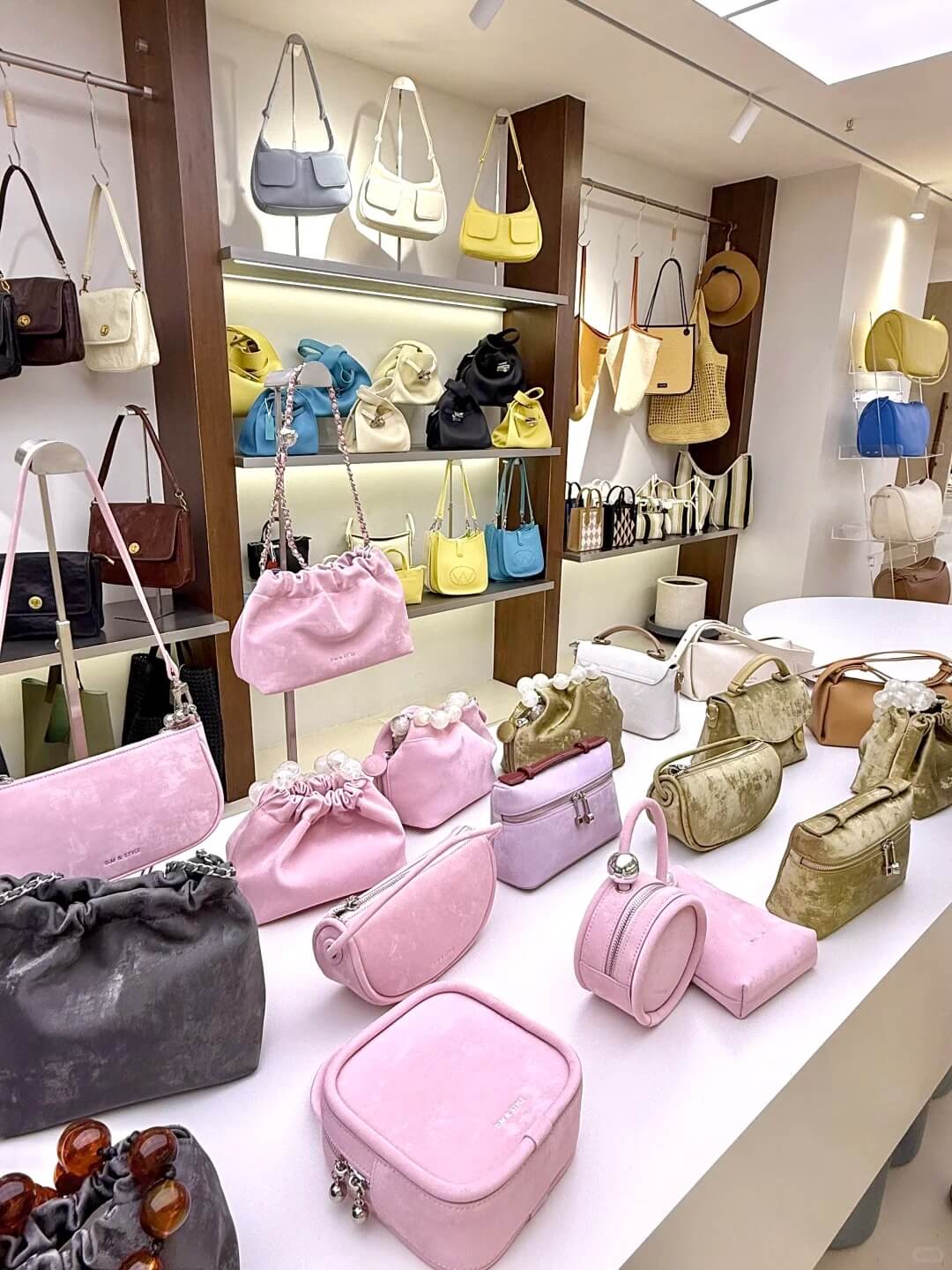
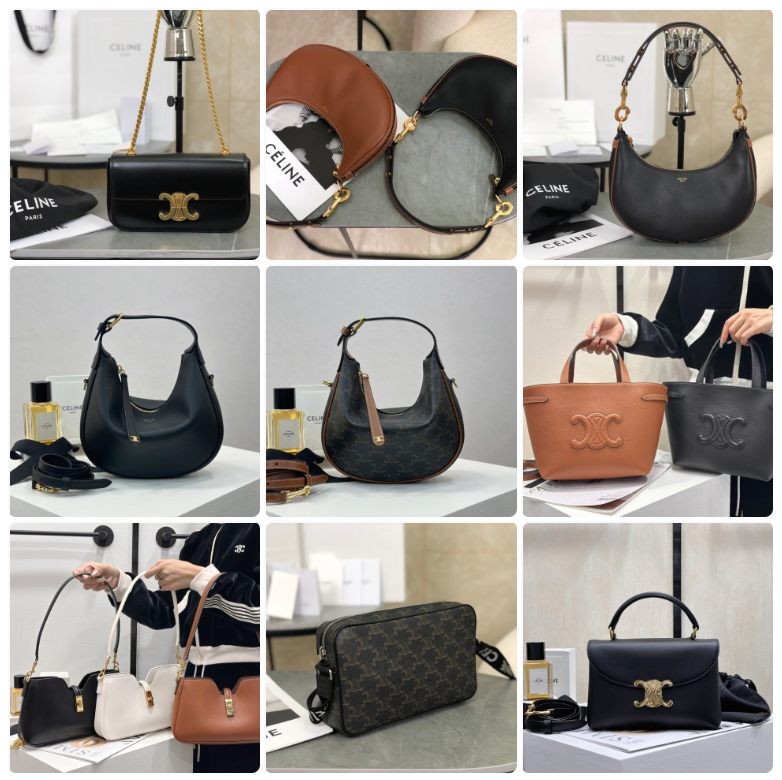
For the non-apparel half of a clothing business — jewelry, bags, scarves, hats — Nihao is a focused accessory wholesaler with low minimums and boutique-friendly curation.
9. CJ Dropshipping — Best for E-commerce Fulfilment
CJ Dropshipping combines sourcing with warehousing and order fulfilment: your store sells, they pick, pack and ship. For sellers who don’t want to hold inventory, it replaces the website-plus-warehouse combination.
- Watch out for: calculate the full per-order cost (product + processing + shipping) against bulk-buy-and-ship-yourself economics
10. GZWM (Guangzhou Wholesale Market) — Best for Direct Market-Stall Contacts
Full disclosure: this is our platform, and we’re including it because it occupies a niche none of the nine above cover.
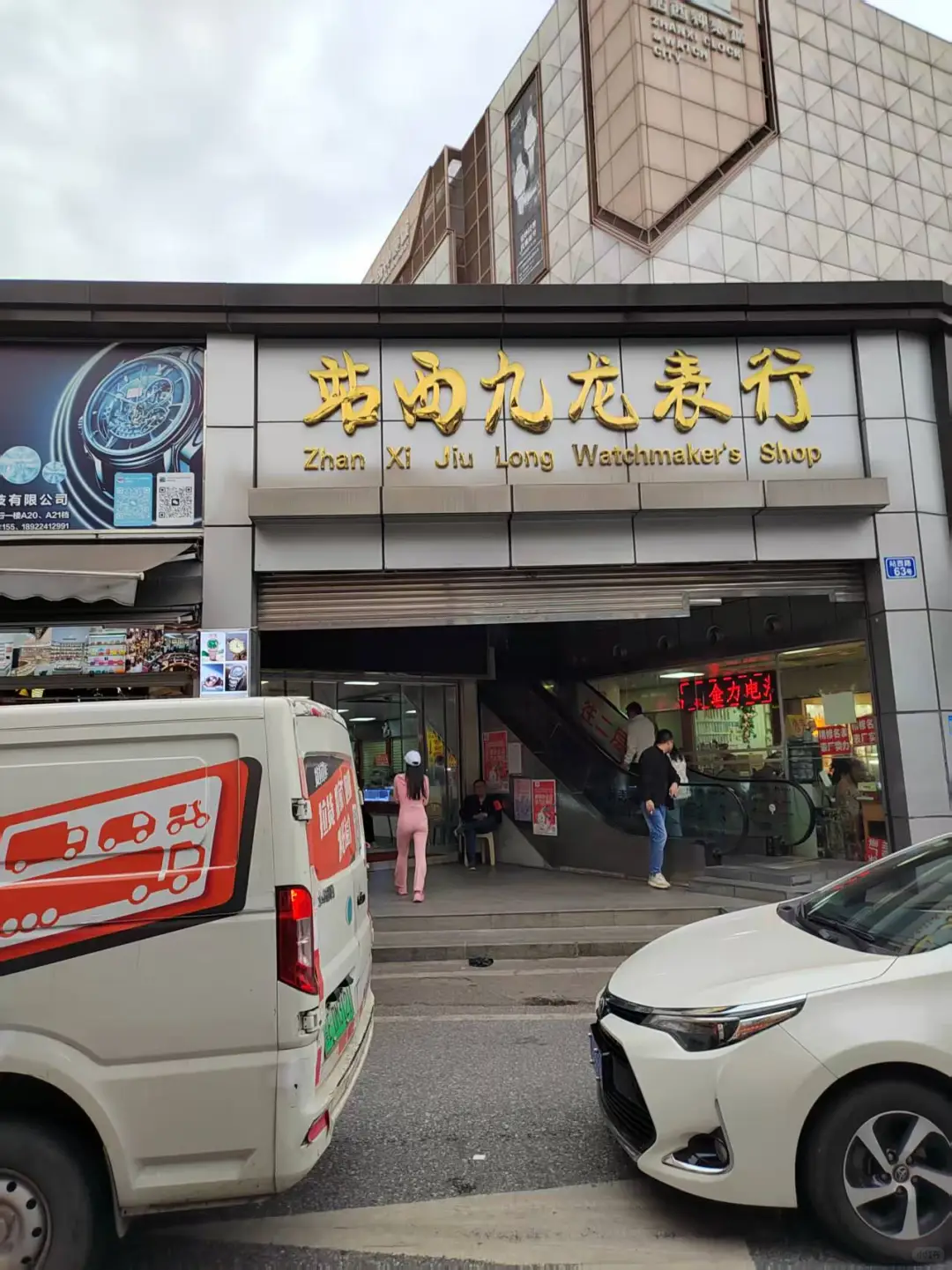
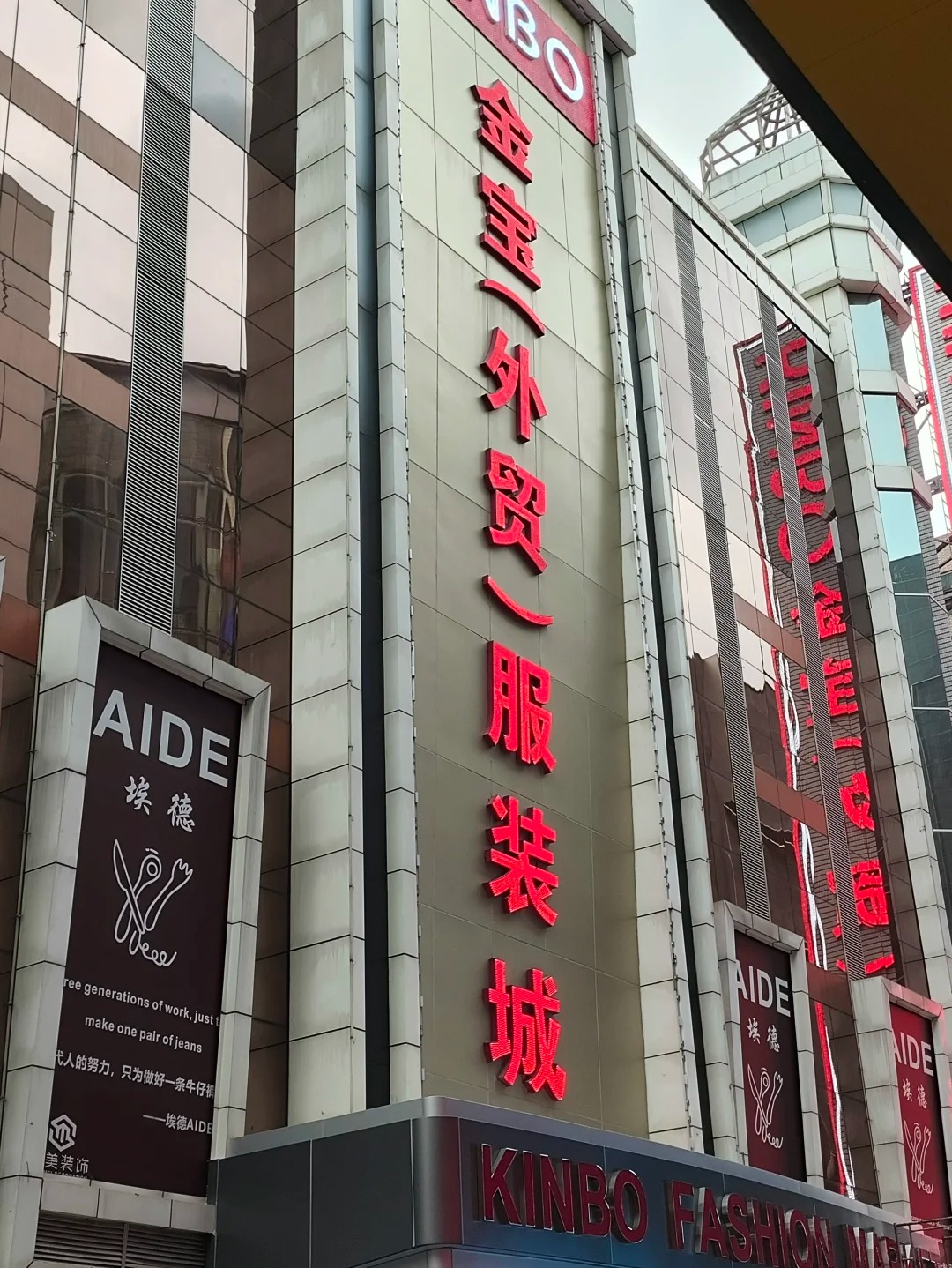
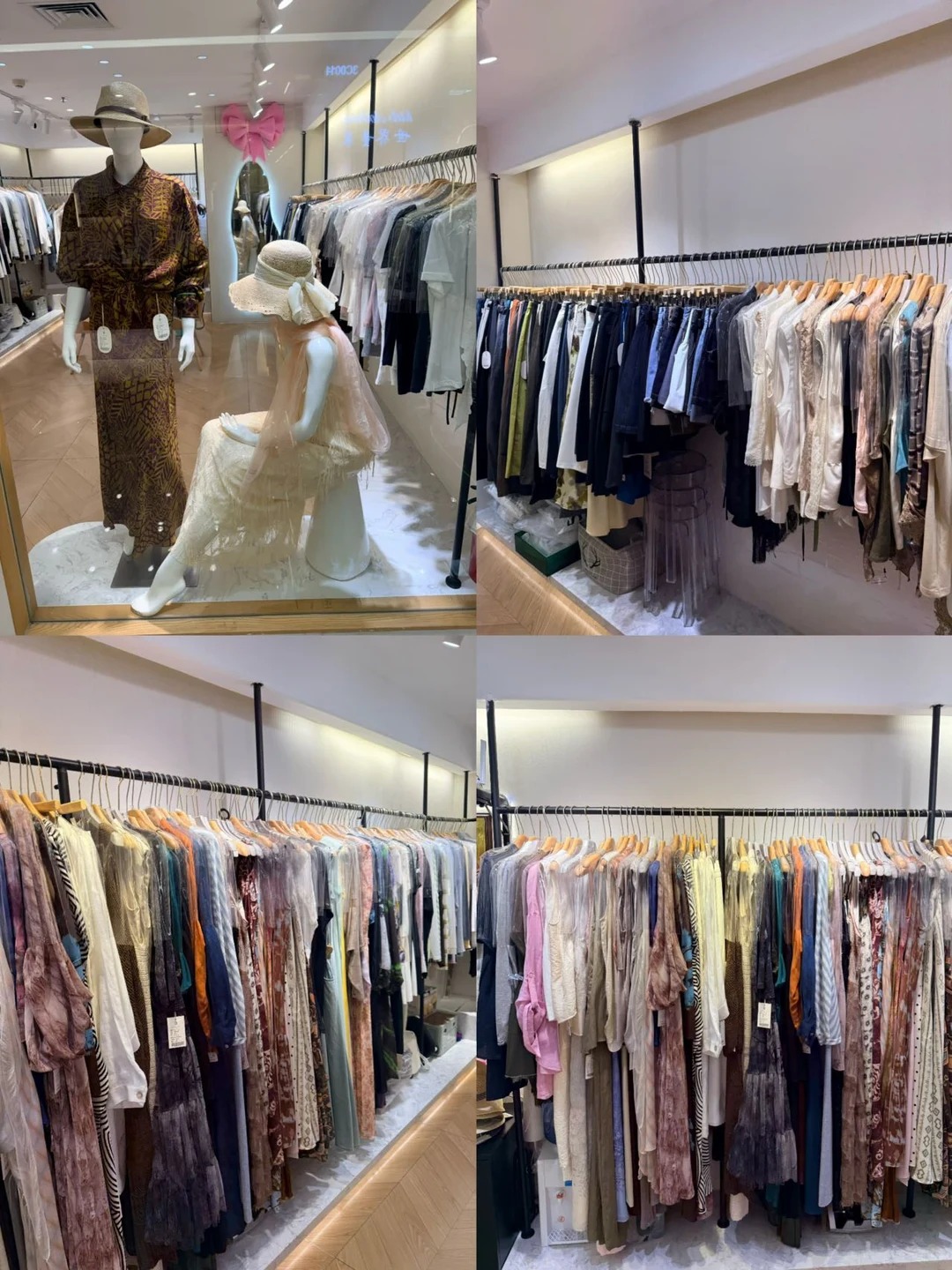
Every marketplace above connects you to companies. But a large share of China’s best clothing supply never lists on any marketplace — it sits in the stalls of physical wholesale markets: Guangzhou’s Shisanhang, Zhanxi and Shahe clusters, Hangzhou’s Sijiqing, Shenzhen’s Nanyou, Seoul’s Dongdaemun. GZWM is a verified supplier directory for those physical markets: organized vendor pages by market and building, with member-only access to supplier WeChat and WhatsApp contacts so you can negotiate directly with the stall — the same people a sourcing agent would walk to, minus the agent fee layer.
- Best for: buyers who want physical-market pricing and direct dealer relationships, both visiting and remote sourcing via video verification
- Watch out for: it’s a directory, not a cart-checkout marketplace — you negotiate and pay suppliers directly, so apply the same verification discipline as anywhere (our remote verification guide walks through it)
- Start here: Guangzhou clothing vendors, Hangzhou vendors, Dongdaemun vendors
How to Choose: A 3-Question Shortcut
- Are you testing or restocking? Testing → DHgate or AliExpress. Restocking → Alibaba, 1688 or market dealers via GZWM.
- Do you need your own label? Yes → Alibaba OEM or factory-direct directories. No → SHEIN, Dear-Lover or ready-stock dealers.
- Do you want marketplace protection or direct pricing? Protection → Alibaba/DHgate. Direct pricing and relationships → 1688 with an agent, or market directories like GZWM where you talk to the stall itself.
Frequently Asked Questions
Which website is best for beginners to buy clothes from China?
DHgate or AliExpress for your first test orders — one-unit minimums and buyer protection. Once you know what sells, move to Alibaba for bulk pricing or to market-dealer directories for physical-market prices.
Is it safe to buy clothes from Chinese wholesale websites?
Yes, with the standard discipline: samples before volume, traceable payment, third-party inspection above roughly $2,000 per order, and never 100% upfront to an unverified supplier. Established platforms resolve most disputes within 7–14 days when you have documentation.
Do I need to speak Chinese?
No for Alibaba, DHgate, Global Sources and GZWM’s export-oriented markets; yes (or an agent) for 1688. Many physical-market dealers in export buildings handle basic English daily.
Can I buy from Chinese wholesale websites without a company?
All ten platforms above accept individual buyers; only your country’s import rules decide what you can clear. Check de-minimis thresholds and textile labeling requirements before ordering.
Start with the Right Tool for Your Order Size
If marketplace protection fits your stage, start with DHgate or Alibaba. If you already know your category and want the pricing that only physical-market stalls offer, browse our market guides or open a GZWM membership for direct supplier contacts across Guangzhou, Hangzhou, Shenzhen and Dongdaemun.
Comments0